Category Archives: Classics

Breathless (1960)

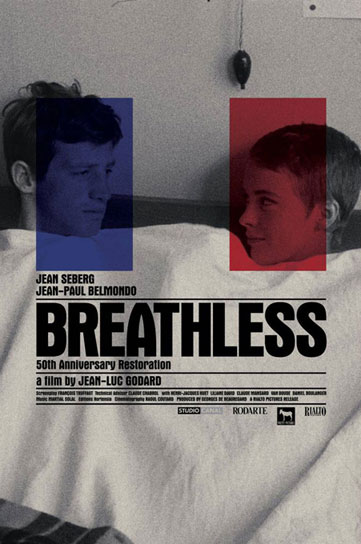
There’s a fine line between the reckless innovation of the New Wave directors and sloppy filmmaking. In the moment, these dramatic departures from the standard must have been thrilling, but with 60 years of film bridging the gap, it’s not hard to see that a film like Breathless is flawed. But it’s also explicitly clear that perfection is besides the point. Apart from the fact that this is Jean-Luc Godard‘s first film, Breathless isn’t meant to be anything more than a joyous expression of youth; an homage to the impulse. It is a bright mélange of joy and frustration, violence and noise, action and reaction, love and longing, and aimlessness; and while no one can deny Godard’s talent behind the camera, there’s something that seems wonderfully serendipitous about his first and most notable film.

Continue reading

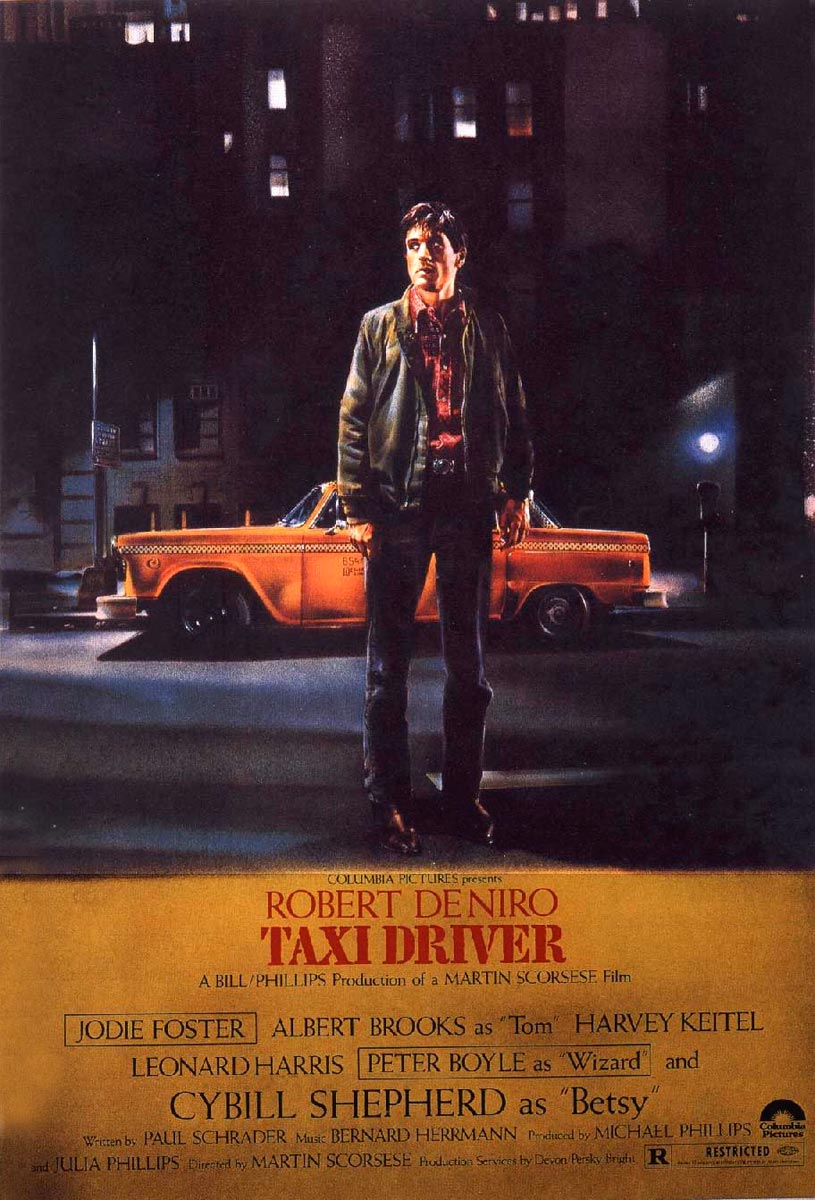
Taxi Driver (1976)

Martin Scorsese and Robert De Niro are New York City guys, through and through. Born there, raised there, and like a couple of Gangster Woody Allens, treating the city as their muse and making their best films there. It’s with this unyielding connection in mind that I found myself struck by Taxi Drivers portrayal of the Apple. New York City is a hellhole, covered in sweat and grime, its streets trafficked by hookers and killers. It is a truly miserable place. This could mean a number of things from the Director’s point of view: it could be the truth of the city’s underworld in the 1970’s, or just the way the city looks to Travis Bickle, or, most probably, it is simply the way Scorsese sees the world. Dark and dirty, with the occasional intimation that people aren’t entirely hopeless.

Continue reading

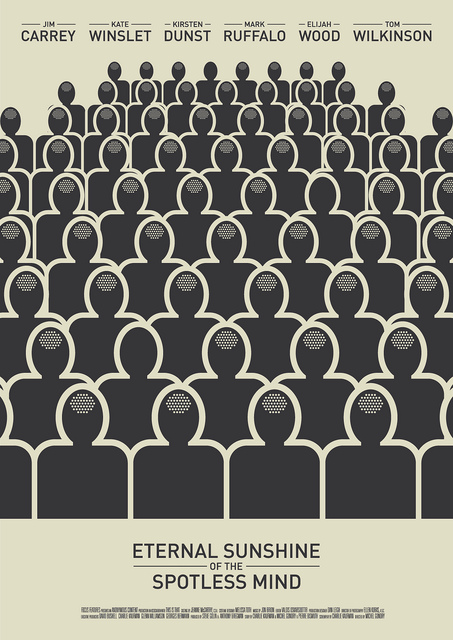
Eternal Sunshine of the Spotless Mind (2004)

While good films are allowed a few missteps, truly great films are about the confluence of many great things. Great films are about the serendipity of timeless talent doing their best work together. If this can’t be said for Eternal Sunshine of the Spotless Mind, then it can’t be said for any film. As collaborations go, Sunshine sits in the stratosphere with films like Network or Star Wars; moments of such dramatic success that it seems impossible luck wasn’t somehow involved. It’s not precisely that the individuals involved with a movie like Eternal Sunshine will never again achieve a similar success, so much as they can forever after know that they achieved what they set out to do when they decided to make films: produce something timeless, and universal, and thoroughly, unequivocally great.

Continue reading

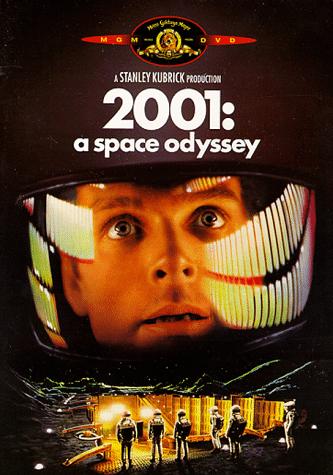
2001: A Space Odyssey (1968)

There are films that you watch and there are films that you experience, and in almost every case, a Stanley Kubrick film will fall into that second category. This becomes clearer when you tell somebody that you recently watched one of his films and they ask you what it was about. Try and answer. Sure, you can give a plot summary, but trying to articulate what the film was about is like trying to describe color to a blind person. There’s simply too much there. Never is this truer than in 2001: A Space Odyssey, Kubrick’s legendary masterpiece devoted to the majesty and mystery of our universe. Kubrick himself said in a 1968 interview, “You’re free to speculate as you wish about the philosophical and allegorical meaning of the film—and such speculation is one indication that it has succeeded in gripping the audience at a deep level—but I don’t want to spell out a verbal road map for 2001 that every viewer will feel obligated to pursue or else fear he’s missed the point.” His purpose was not to tell us what to feel, but simply to make us feel something immense. If, somehow, you come out on the other side of this remarkable piece of cinema without being moved, without feeling something, then friend, you’re doing it wrong.

Continue reading

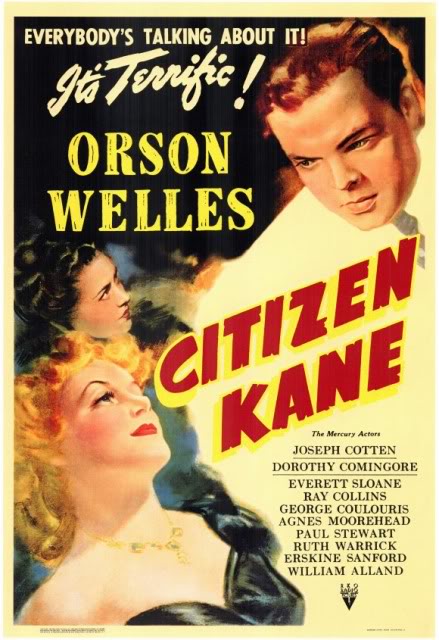
Citizen Kane (1941)

My latest viewing of Orson Welles‘ career-defining masterpiece was a palette cleanser, pulling me with great finality out of the quicksand of the 2011 Oscar race and refocusing my scope. Sometimes it takes a great film to do this, and through most of my career as a watcher I’ve used tent-pole titles to widen my perspective. This is a necessary joy at times, but Citizen Kane is, obviously, far more than just a refreshing film from another era. It is a complex portrait of one of this country’s most successful and monstrous businessmen, and the starting gun of a media war. It is the shining achievement of Welles’ career, as well as his undoing. It is considered by many to be the greatest film of all time.

Continue reading

Beauty and the Beast (1991)

60 Second Review

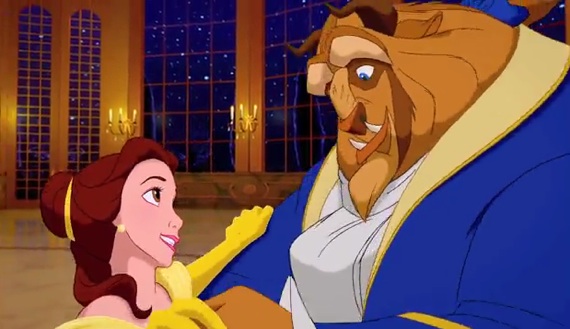
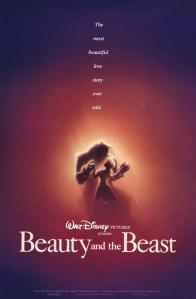
There are two kinds of movies. Movies that exist in the present, that you can consider and weigh and appraise impartially, and movies from your childhood; movies that have been a part of you since as far back as you can remember. Beauty and the Beast is squarely with the latter, insomuch as I don’t feel confident I can even have an objective response to it. This isn’t exclusively because I grew up with it, though that plays a huge role. Nearly as important is Disney’s masterful wielding of nostalgia. All of their films, even the ones you’re seeing for the first time, contain that magical schmaltz of childhood. Though every so often you get the feeling you’re being just a little bit manipulated, it’s easy enough to just go with it.
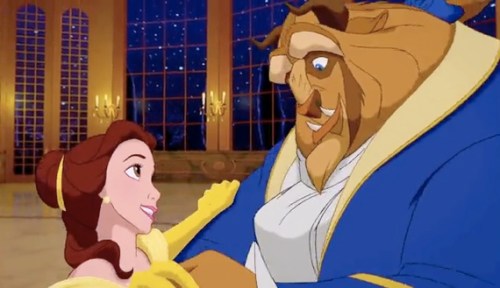
Beauty and the Beast really is a lovely little film, in spite of it’s tonally guiding hand. The music is as strong as any of Disney’s best films of that era, and the animation represents their highest tier work. Likewise the breakdown of characters is as solid a collection as any, with a hero and a villain and a beautiful princess who is, in fact, not a princess. If there’s a negative aspect to the film that has made itself more evident since childhood, it’s got to be the one-dimensionality of the characters. As with many Disney films, the secondary characters tend to have more personality then the primaries, and the starker the contrast between those two groups, the harder it is to ignore. Belle is boringly refined and and the Beast is more of an overgrown child then anything; certainly effective character types, but they don’t seem to grow in any other way than towards each other.

Nonetheless this is a fine entry into the Disney canon, and a more than vital contribution to their utter dominance of the nineties.

Blade Runner (1982)

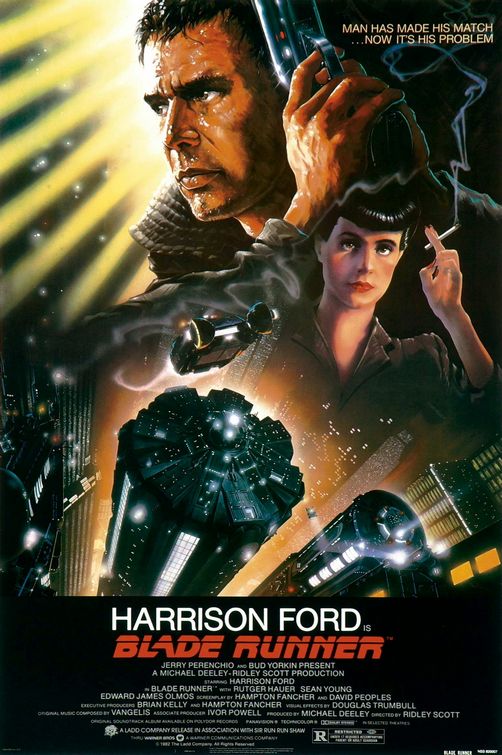
What makes us human?” is one of those base existentialisms that we’re all a bit too cynical to actually consider.  It’s the type of query that for us to truly acknowledge the significance of, must be presented subtly and in the guise of “art.”  It is thusly that Ridley Scott‘s masterpiece Blade Runner is so successful in its theme.  Only once you have parted the curtains of a neo-noir and dystopic 2019 Los Angeles, only once you have passed through the door that is Scott’s and Douglas Trumbull’s remarkable achievement in visual effects, only once you’ve tiptoed past Vangelis’ eerily sinister neo-classical score do you arrive at the heart of this Philip K. Dick adaptation.  Blade Runner is precisely an interrogation of what it means to be human, or perhaps more specifically, what it means to question this humanity.

Continue reading

Toy Story (1995)

It’s ironic how entirely nostalgic it is viewing Toy Story for the first time in a decade.  Though I suppose that nostalgia shouldn’t surprise me, as nearly any Disney title awakens vivid memories of childhood and the wonder of animated cinema.  Obviously the world of Disney pre-Pixar is iconic, particularly for those of us lucky enough to grow up during their late 80s/early 90s renaissance.  My particular favorite was Aladdin, but I’ve never been picky, and would gladly sit through a viewing of The Little Mermaid or Beauty and the Beast. Heck, I’d even watch Pocahontas. Still, while Disney’s astounding talent for inserting themselves into childhood is something I’m grateful for, it’s only part of what makes my adult viewing of Toy Story ironic.  The more relevant aspect of that irony is the reality that Toy Story is a movie about nostalgia.  Or at the very least it’s a movie that recognizes the heft of it.  Memories of childhood are either beautiful or awful, and rarely of the mundane; what trauma or drama is there in the tedium of childhood?  Though we catch only glimpses of the story from adolescent Andy’s perspective, the one requirement for enjoying this film is to have been that age, and to have loved those toys.  Perhaps one of Disney’s, Pixar’s and director John Lasseter‘s most charming notions is imagining that those toys could love you back.

Continue reading

Pee-Wee’s Big Adventure (1985)

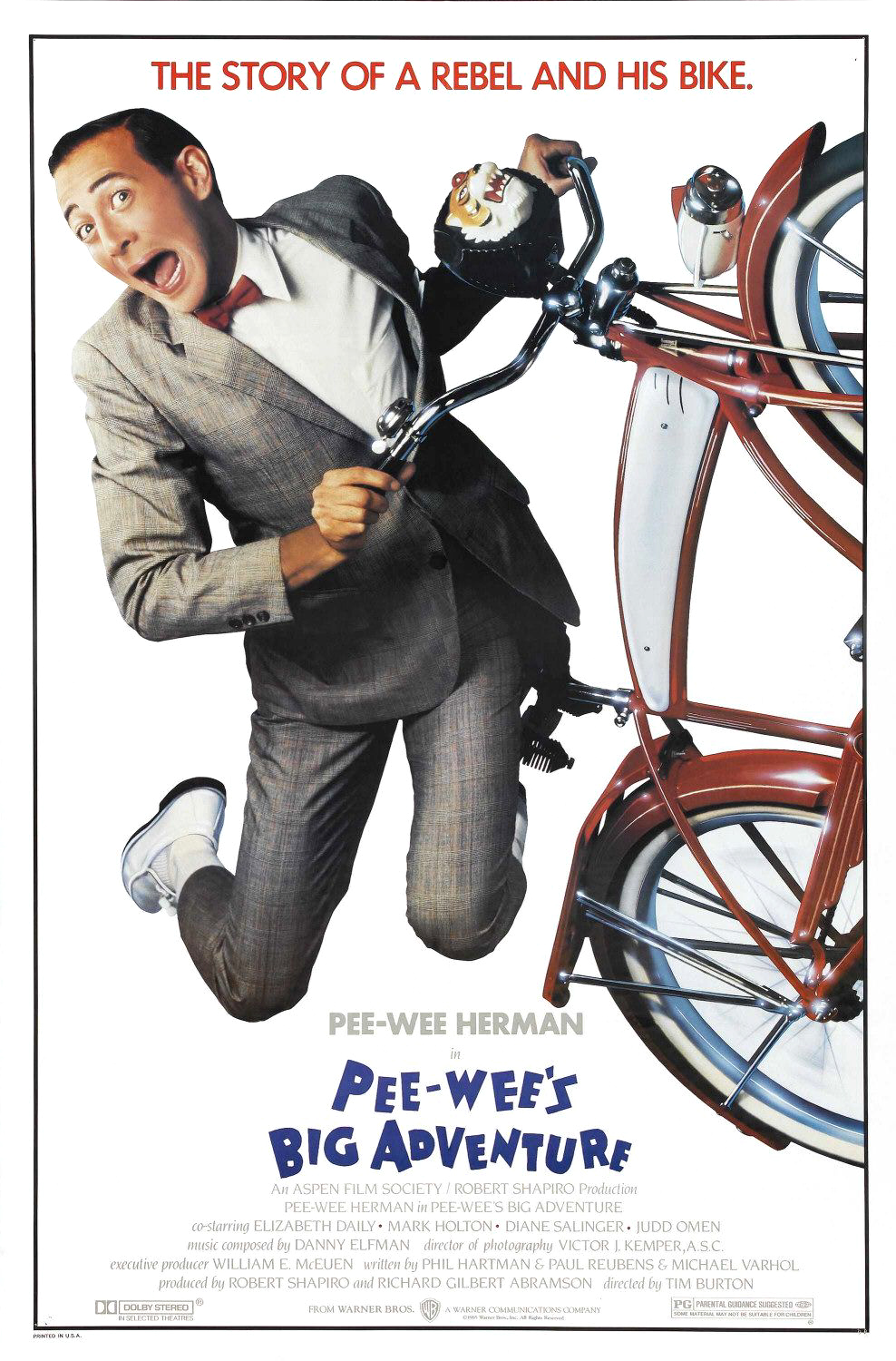
Growing up, I watched what can only be called an excessive amount of television.  I wasn’t a critical viewer by any means, though there were certain shows I recognized as distinct.  While any number of kid’s shows are quite apparently written with their primary audience in mind, there’s that special neighborhood of children’s programming that bridges the gap between kids and adults.  Growing up it was shows like Rocco’s Modern Life and Ren and Stimpy, and perhaps the paramount example of walking that tightrope, Pee-Wee’s Playhouse. Though the bizarre and shamefully over dramatized Paul Reubens porno theater incident relegated the man and his show to some sleazy back alley of my mind for a few years, adulthood has shed a little more light on the reality and I can thankfully appreciate Pee-Wee again.  The real life cartoon character.  The technicolor man child.  The adult who somehow established precisely the life and lifestyle I envisioned for myself as a seven-year-old sugar fiend.

Continue reading

Bonnie and Clyde (1967)

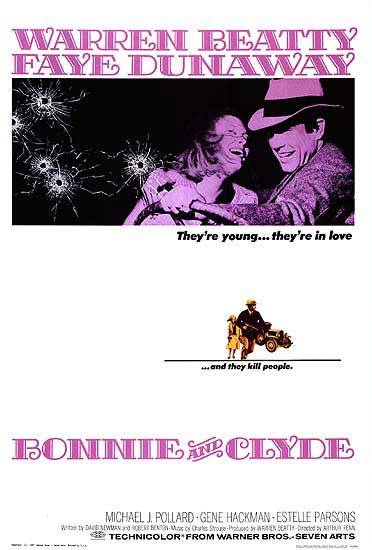
The American Film Institute lists Bonnie and Clyde at number 5 on their list of the top ten gangster films of all time, and 42 on their “100 Years…100 Movies” collection.  IMDb holds it at 218 on their top five hundred.  For the older film generation this will come as no surprise.  Bonnie and Clyde‘s release was loud and unforgettable, and represented a jump to the “New Hollywood.”  Violence and sex were no longer suggestions, and the previously established style of filmmaking was beginning to unravel.  In hindsight the film still distinguishes itself from it’s peers, along with The Graduate, a fellow Best Picture nominee from that year.  But the unfortunate truth of Bonnie and Clyde‘s place in modern day cinema is it’s senescence.  The film simply hasn’t aged well.  It’s legacy lives in it’s forward momentum, and less and less in it’s quality.  It glimpses at things to come, but is by no means an example of transitional perfection.  A brave film that comes from a time where progress was as significant as caliber.

Continue reading