Tag Archives: Reviews

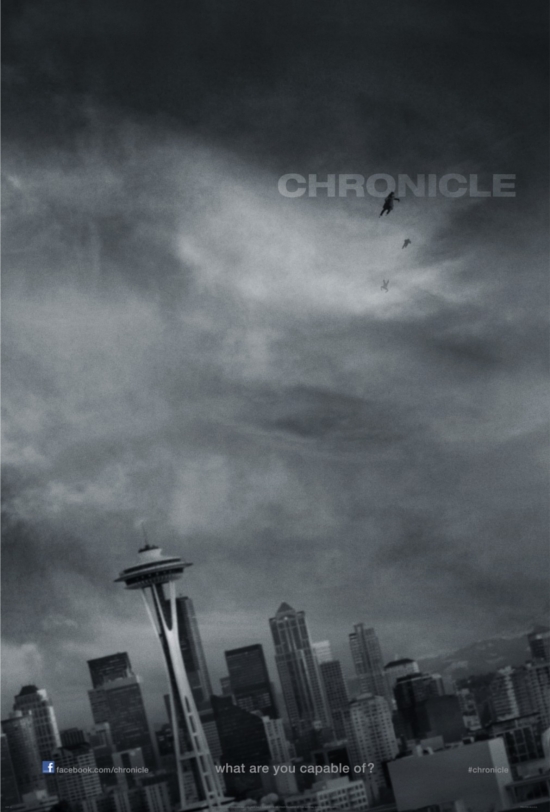
Chronicle (2012)

We’re coming off a decade-plus of a widely collaborative and wildly successful “superhero movie” exploration, which has led to not just an impressive quantity of genre-specific titles, but a remarkable variety of stories and treatments. Which is all just a nice way of saying that the superhero flick has been done to death. Don’t get me wrong, some of the most exciting movie events of all time have been for superhero movies, and more than that, a keystone of the Visual Effects Renaissance has been movies about people with astonishing, life-altering, brightly-colored powers. But as the market goes, so goes Hollywood, and the marketability of comic book stories is in decline. Fortunately, nobody bothered to mention this to newcomer Josh Trank, who has somehow, someway, created a comic book movie that satisfies the craving while remaining (gasp!) wholly original.

Continue reading

The Help (2011)

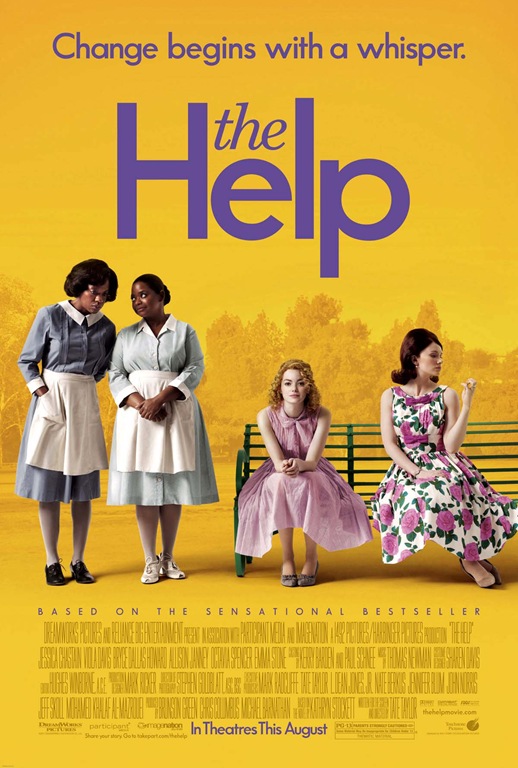
There are very few people anymore who can claim authentic, first hand knowledge of the Civil Rights movement. In the same way that I wouldn’t pretend to possess any particular insight into the fall of the Berlin Wall, having been alive during the 60s doesn’t grant you special insight into the race struggle. The only people who can really say that they were a part of things weren’t just alive in the 60s, but were decision-making adults with the self-awareness to adopt a position on one side or the other, and their numbers are dwindling. Which must explain why The Help, a film that simplifies and exploits one of this country’s most strained periods, and does so with broad, stereotypical character types and exchanges, has been nominated for Best Picture. Or it could just be that Viola Davis can make anybody like anything.

Continue reading

Extremely Loud & Incredibly Close (2011)

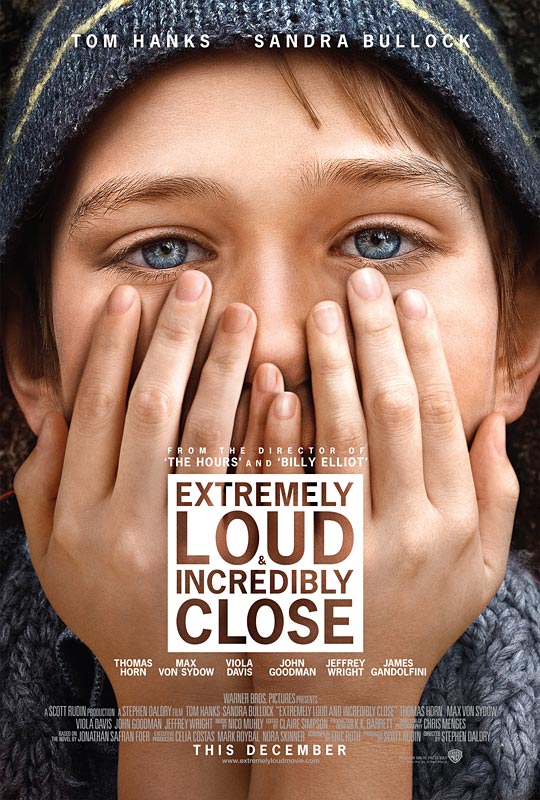
There should be a list somewhere of books that should never be adapted to film. While plenty of literature can make the leap from page to screen without much or any alteration, far more often a book is a book for a reason. Because while a book allows you to reach an emotional conclusion on your own, a movie forces you towards one. Which is unquestionably the case with Jonathan Safran Foer‘s 2005 novel; a narrative that, at a glance, is vibrant in the same way as a Little Miss Sunshine, with a host of quirky characters and a comical, yet emotionally-resonant tone. In a host of other ways however, Extremely Loud & Incredibly Close is a story far more inclined towards the written word than the big screen, and has pulled an Oscar nomination mostly on the weight of its dramatically moving and frustratingly manipulative approach.

Continue reading

Tinker Tailor Soldier Spy (2011)

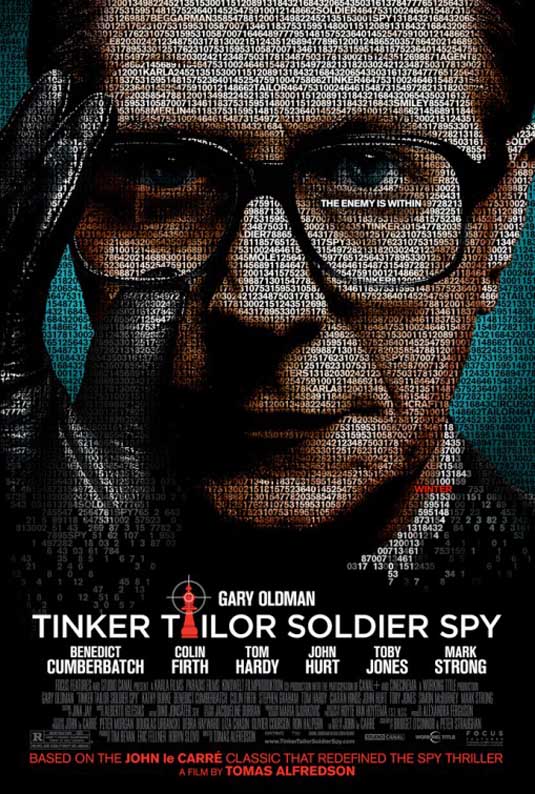
More and more the template for a spy film is “action first, story later–if at all.” This has mostly to do with the new opportunities provided by technology, but it also says something about contemporary audiences. Old school spy stories are intended to be convoluted, meandering whodunits, and vagueness doesn’t sit well with modern viewers, myself included. That said, anybody who puts Tinker Tailor Soldier Spy next to, for instance, Mission Impossible – Ghost Protocol will quickly come to appreciate the nuanced origins of the spy thriller. Tinker Tailor–Tomas Alfredson‘s follow-up to the critically successful and successfully recycled for American audiences Let the Right One In--is moody and stylish, recalling the lost art of skillful ambiguity.

Continue reading

The 2011 Wertzies : Part Three

And finally, Part Three of the 2011 Wertzies. This post includes not only my thoughts on the Best Pictures of the year, but a new section looking at the year’s Most Overrated films.

Enjoy.

Continue reading

The 2011 Wertzies : Part Two

Here then is Part Two of the 2011 Wertzies. My thoughts on the year’s best performances. As a reminder, all Runners Up are featured in ascending order, with the Winner of each category coming at the end.

Enjoy.

Continue reading

The 2011 Wertzies : Part One

And so, the 2nd Annual Wertzies; my picks for the year’s best of nearly everything. I’m taking a slightly different tack this year, with expanded coverage of my picks and the Awards divided over three posts. Additionally, the format has altered a bit, with Runners Up revealed in ascending order, and each category ending with the Winner.

To be clear, I haven’t seen everything, nor do I consider these awards to be anything more than my humble opinion as an amateur film reviewer. Elaborate and considered these thoughts may be, but they are nonetheless informed as much by individual preference as real objectivity. And with that in mind, I eagerly await your supplemental thoughts and heated contradictions.

Enjoy.

Continue reading

Shame (2011)

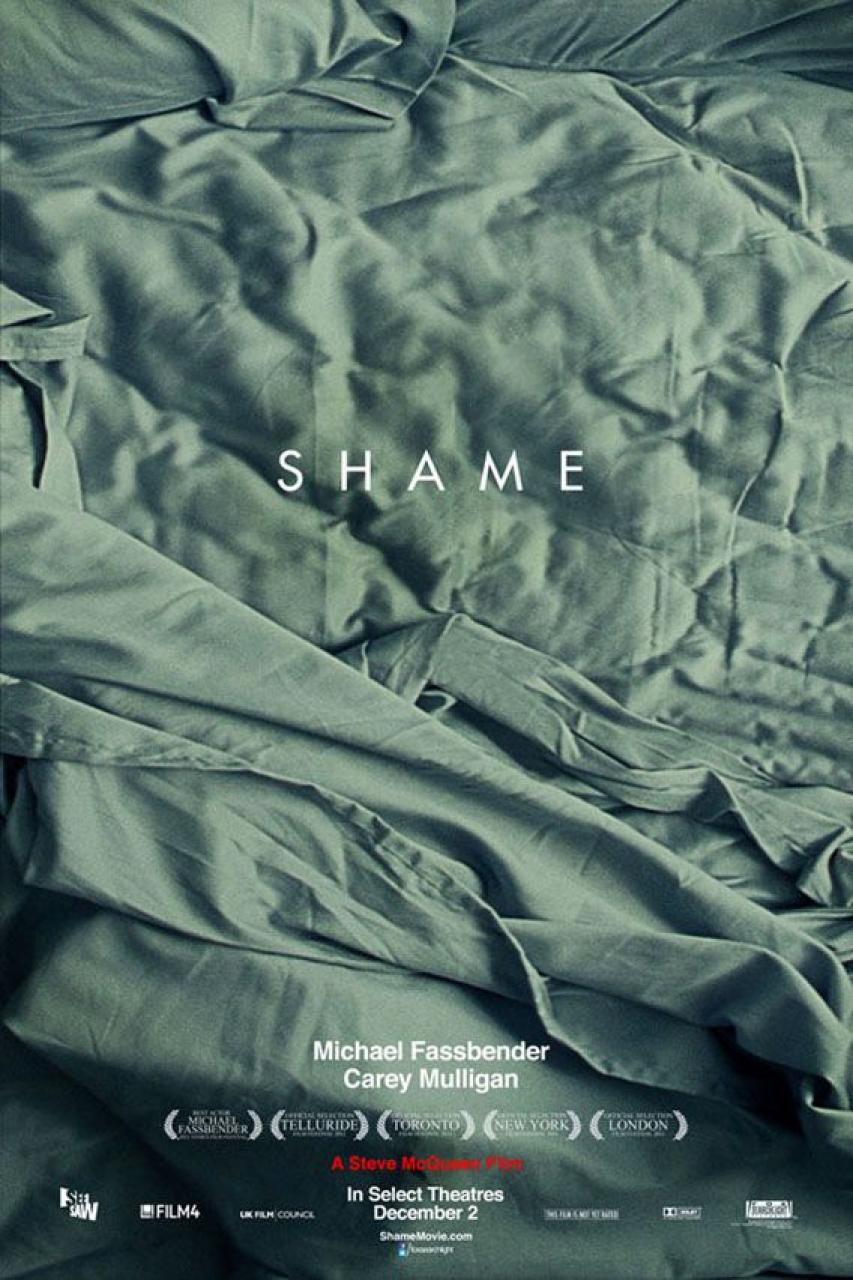
There’s a better version of Shame on the cutting room floor. Somewhere in the hours of unseen footage shot by Director Steve McQueen exists a film that lives up to the hype. A film less ambiguous, with a concrete arch, and character exchanges that don’t feel piecemeal. A film less dependent on intuition and more respectful of storytelling. A film not so thoroughly entrenched in a mood. And that would be a hell of a film to see, because Shame is built on some pretty powerful stuff as it is. The performance of Michael Fassbender will certainly get everyone talking, and almost as certainly garner a nomination. And there are things McQueen does as a director that prove he deserves the job. But the unfortunate reality is that Shame is only some of what it should have been, and simply not as good as it could have been.

Continue reading

Jane Eyre (2011)

60 Second Reviews

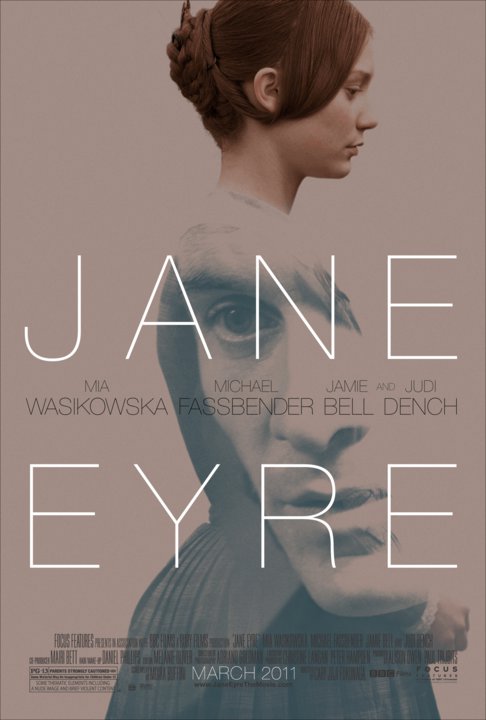
2011 is unarguably the year of Michael Fassbender. Magneto in X-Men: First Class, Carl Jung in A Dangerous Method, a sex addict in Shame, and here, the moody, haunted Fairfax Rochester in Jane Eyre. Having seen two of his four performances, it’s assured that Fassbender will be around for the long haul. As Rochester, he is in flux; a vacillating romantic unable to have the thing most important to him.

The story of Jane Eyre is familiar to anyone who took high school English: a young woman (Mia Wasikowska) with a bleak past is hired as a governess to the ward of Mr. Fairfax Rochester (Fassbender), a man twice her age. Though she is well beneath his class, the two share an undeniable connection. But Mr. Rochester harbors a secret which keeps the young woman at arm’s length, and eventually drives her away. In this gothic romance, Director Cary Fukunaga has raised the stakes, creating an environment so bleak, love seems to be the only path to unqualified contentment.

There are essentially three elements that matter in this iteration of Jane Eyre: the performance of Fassbender, the performance of Wasikowska, and the atmosphere created by Fukunaga. The two leads spend much of the film sizing each other up, their ornamental dialogue a sort of sparring. These scene towards the beginning of their relationship are arresting, if for no other reason than Fassbender and Wasikowska have a true chemistry. The brooding Rochester is intimidating, but also apparently a bleeding heart. And Jane Eyre has an elegant toughness that evolves the novel’s proto-feminism for a more contemporary time. Her quick tongue offers up some of the best lines in the film, and Rochester is never shy with an equally clever rebuttal. Fukunaga’s setting meanwhile is mostly bleak and tawny; a style that compliments the story and characters profoundly. This world is dark, and one must find their joys wherever they can. Jane Eyre and Mr. Rochester are characters who understand this completely, and their love for one another is sustained by a desperation that sits at the heart of this timeworn romance.

Jane Eyre is an effective and affecting love story that utilizes two of the most talented performers working right now, and reminds its viewers of a time when the problems of love were greater, and love was stronger for it.

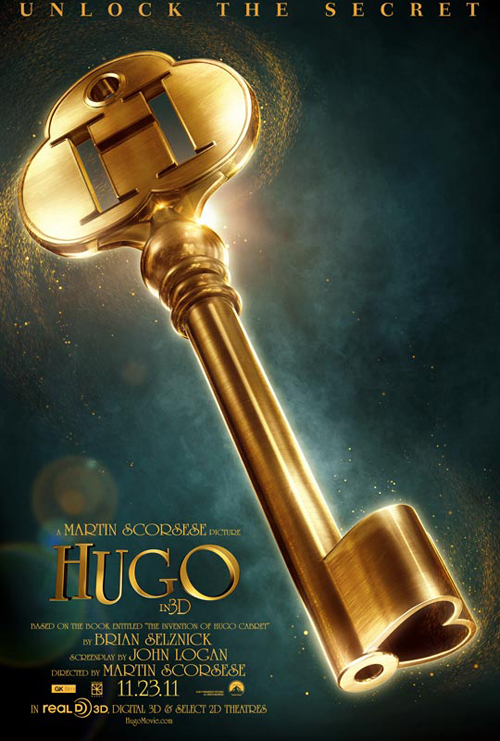
Hugo (2011)

This might be an adventure!” exclaims Chloë Moretz’s earnest Isabelle, shortly after meeting the titular Hugo in Martin Scorsese’s latest. And it’s true, Hugo certainly holds an adventure for its two lead characters. But that moment holds a deeper truth: the awareness that, for children, the world is still a magical place, capable of anything. There’s a kinetic excitement to being young and away from your parents, because possibility has an unknowable depth, and you haven’t yet been infected by the rot of cynicism. Scorsese, like many directors before him, plainly adores this moment in time, because for him it is connected unequivocally with the magic of the cinema.

Continue reading