Tag Archives: Reviews

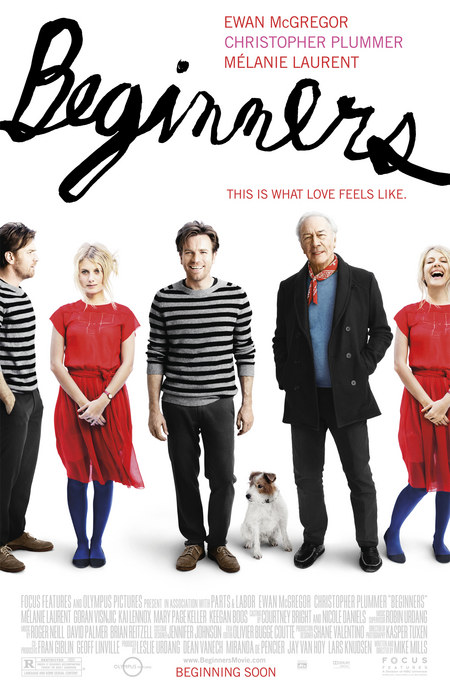
Beginners (2011)


Beginners is a film full of concise existentialisms; beautifully bite-sized sentiments like, “You make me laugh, but it’s not funny.” Writer/Director Mike Mills clearly prefers to keep his axioms digestible, which is good, because there’s no shortage of them to digest. Mills’ second feature takes place in the moment of a man’s life when all he can consider is the universe at large, its flux, its effect, where he fits, and why love is the undisputed destination. In a way, these movies are always going to be the most interesting, because (if done correctly) they offer a ubiquitous perspective of humanity. However you dress it, love is what we all need to feel actualized, and Beginners serves as a beautiful reminder.


Continue reading

The Descendants (2011)

In the film’s opening narration, Matt King (George Clooney) bemoans the view taken by most “mainlanders,” that to live in Hawaii is to spend your days drinking Mai Tais and waxing a surfboard, free from the troubles of the world. According to Matt this is absurd, as pain follows us wherever we are. Beautiful Hawaii may be, but it is not a vacuum or a charmed oasis. And yet, much of The Descendants is devoted to the astonishing splendor of the Hawaiian countryside; a choice wholly at odds with the protagonist’s initial frustration. This is an apt disconnect when considering the similar disparity between the film’s subject matter and its tone. Though Alexander Payne’s latest journey film is devoted to an exploration of grief’s gauntlet, it seems to spend just as much time trying to charm us. A choice that, ultimately, hurts more than it helps.

Continue reading

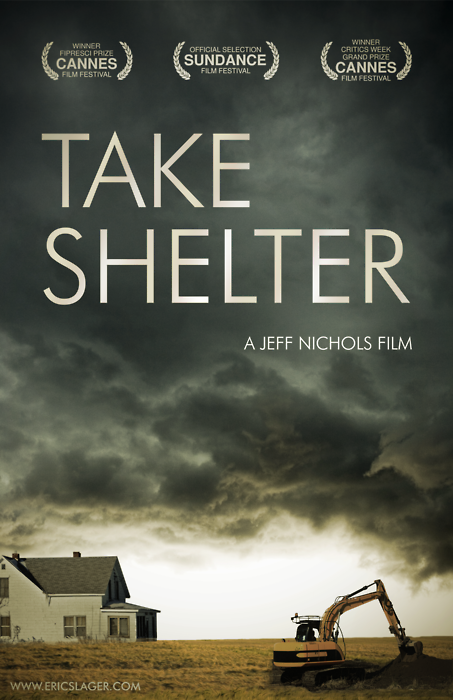
Take Shelter (2011)

It’s not like Michael Shannon isn’t a working actor. He has four films out in 2011, along with his recurring role on Boardwalk Empire. His is a face people recognize, if for no other reason than it’s distinctiveness. But ask someone for their favorite Michael Shannon role, and they won’t have an answer for you. Which is a shame, because Michael Shannon is one of the most exciting actors working today. He is a peerless character actor, as capable as Philip Seymour Hoffman at manipulating his person into intensely varied roles. And in Take Shelter, one of the ultra rare leads offered to the actor, he gives perhaps the best performance I’ve seen this year. Shannon is mostly reserved in his performance, his brow perpetually knit with anxiety, his head down and feet shuffling. But in the moments when Writer/Director Jeff Nichols looses the reins, the actor reveals an understanding of character and performance that seems rarer and rarer in a world often unable to separate “good acting” from “good looking.” Put another way: Shannon has earned a Best Actor Nomination, and probably won’t get one.

Continue reading

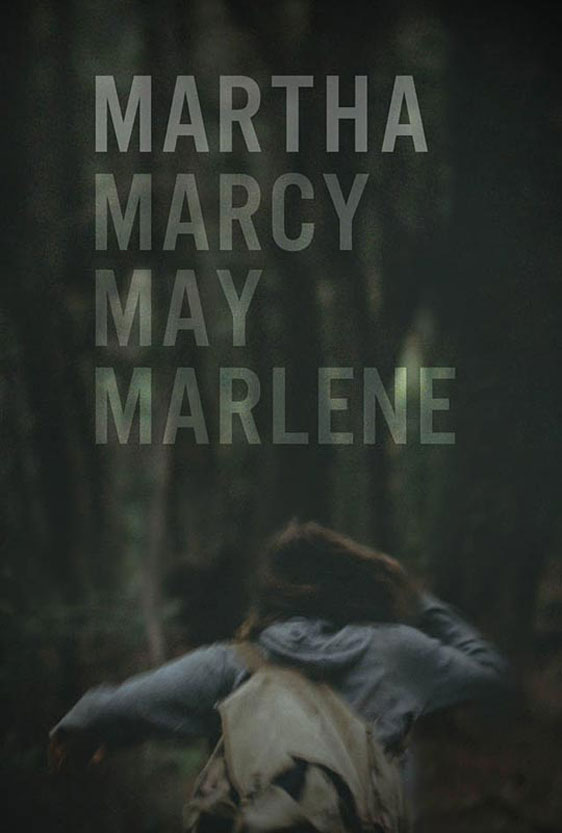
Martha Marcy May Marlene (2011)

Security of self is an easy thing to take for granted. The sense that despite what may happen outside of you, you know who you are and you know that it is your life you’re living. For those of us who have dealt with depression or anxiety, or experienced the trauma of a panic attack or a nervous breakdown, there’s a stronger sense of how important, and how fleeting that security can be. In a way, it’s everything you have, because it’s one of the only things that can’t be disconnected from who you are. Or I suppose, it is who you are, and that is a terrible thing to lose. An insight deftly examined by Writer/Director Sean Durkin in Martha Marcy May Marlene.

Continue reading

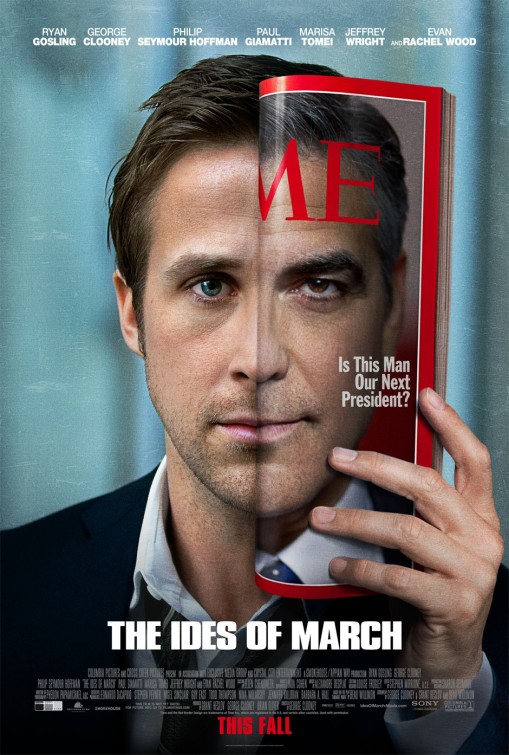
The Ides of March (2011)

Maybe cynicism comes with age. As the world reveals its endless potential for deception and betrayal, it becomes harder and harder to maintain idealism. This must be true with regard to political cynicism or apathy, as the perpetual cycle of that world is masterful deceit and earth-shattering revelation, and anyone paying even the slightest bit of attention seems to understand that politicians simply cannot be trusted. Running for political office means maintaining a pretense of white teeth and talking points; ostensibly being whatever voters want you to be. Unfortunately, this facade is easily shattered and nearly impossible to regain, an idea taken to its deepest depths in George Clooney’s latest direction, The Ides of March.

Continue reading

50/50 (2011)

Cancer isn’t funny. It may, in fact, be the least funny topic one can broach. Yet somehow, behind-the-scenes guy and screenwriter Will Reiser has found a way to tell a story about cancer that produces more than a few laughs. It certainly helps that the story is Reiser’s own (with a few changes); the writer was diagnosed with a rare form of cancer at 24. Though we’re quick to outrage when someone mocks the sick or oppressed, we’re happy to join in when the sick and oppressed mock themselves. And nobody can deny that laughter is an ice pick for fear. Any way you look at it, Reiser and Director Jonathan Levine have broken a barrier once thought unbreakable and created 50/50, perhaps the world’s first successful cancer joke.

Continue reading

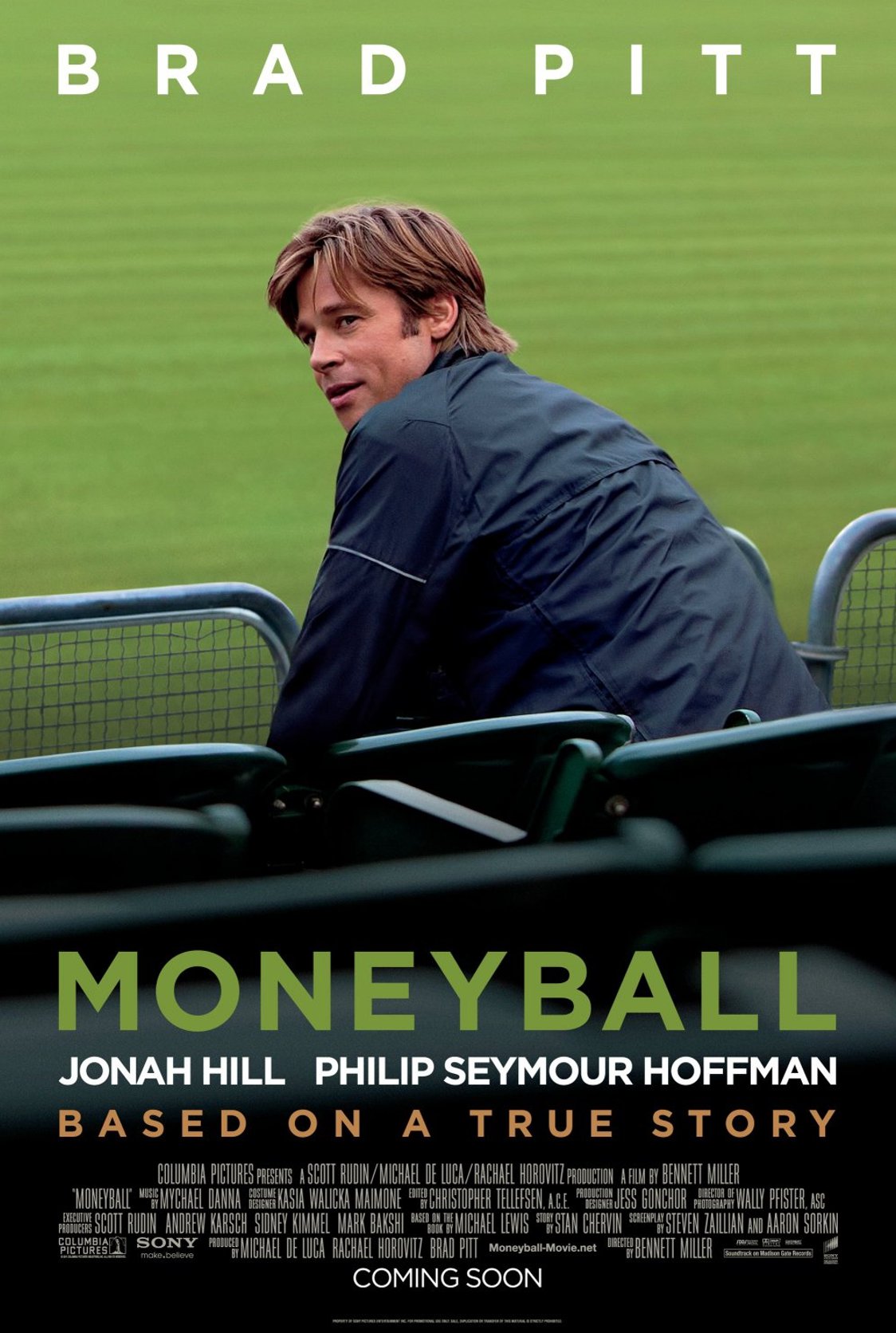
Moneyball (2011)

When the Miami Heat acquired Lebron James well over a year ago, it was the only thing the sports media could talk about. James, the best basketball player in the NBA, was joining a roster that already boasted Dwayne Wade, perhaps one of the top three players currently in the league, and had also pulled in Chris Bosh, another NBA superstar. Nothing like this had ever been seen in basketball, and within hours the conversation turned to Miami’s potential to go the NBA finals year after year after year. Sure enough, they ended up in the finals in their first season as a team…and lost. The reason I bring this up is because, looking at the cast, crew, and history of the film Moneyball, it’s hard not to see the all-star squad comparison. It’s got a supporting cast of legitimate talent, from Robin Wright to Jonah Hill to Philip Seymour Hoffman. The film’s director Bennett Miller is helming just his second feature, after his first (Capote) got him a Best Picture and Directing nomination. Then there’s Brad Pitt, the Lebron James of Hollywood. And much like the Miami Heat, the group that came together to make Moneyball, though objectively successful, end up feeling, frankly, a bit lackluster.

Continue reading

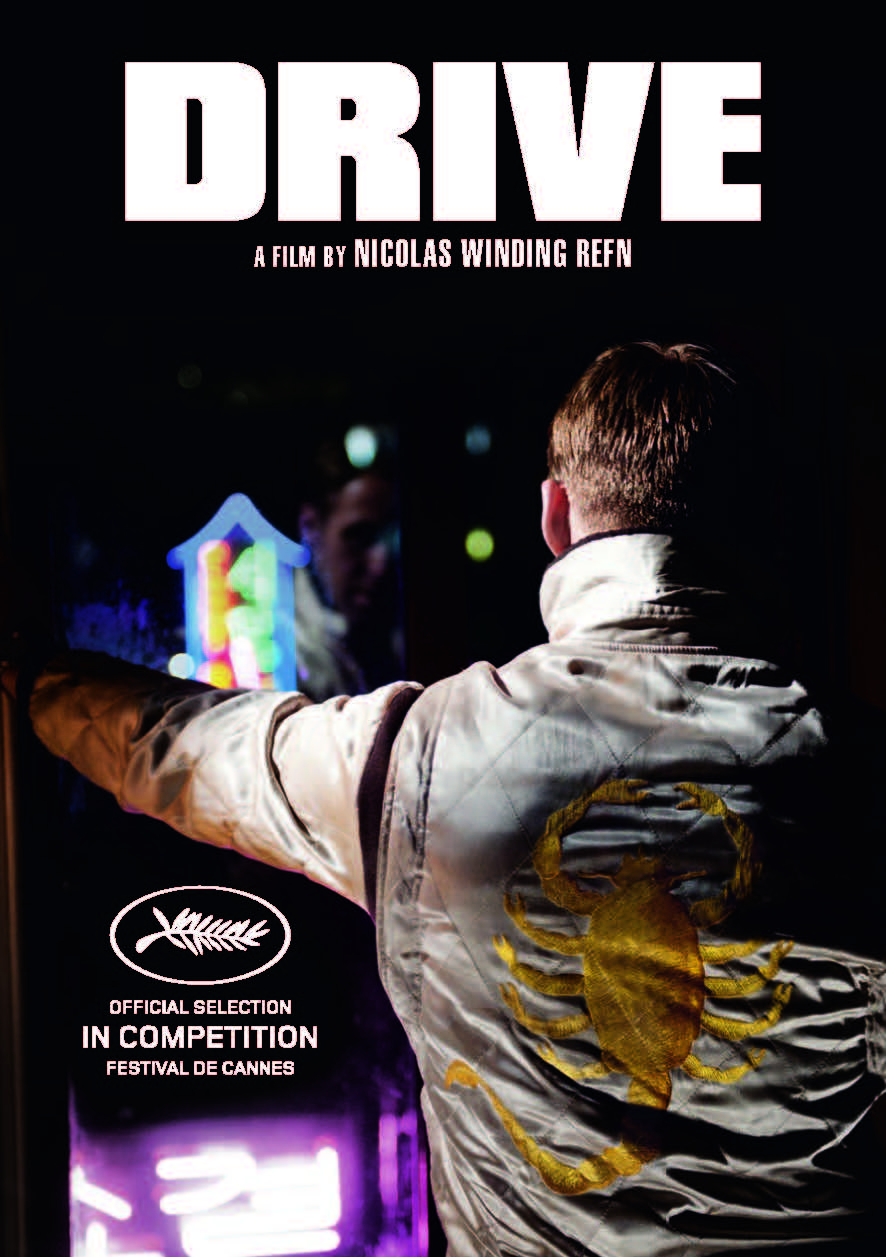
Drive (2011)

There’s nothing subtle about Drive, though for followers of Director Nicolas Winding Refn‘s career to this point, subtlety is about the last thing you’d expect to find. Refn is a filmmaker fascinated by intensity, eager to push the limits of graphic violence. Drive is no exception, though in the end it is not the film’s brutality that defines it. Refn’s latest is dripping with style, from the slick opening credits to the closing synthed-out track. It is a film for a generation that often judges a product’s success as much on aesthetics as content, and though this may be one of the sexiest films released in the last decade, it can also be prohibitively aloof.

Continue reading

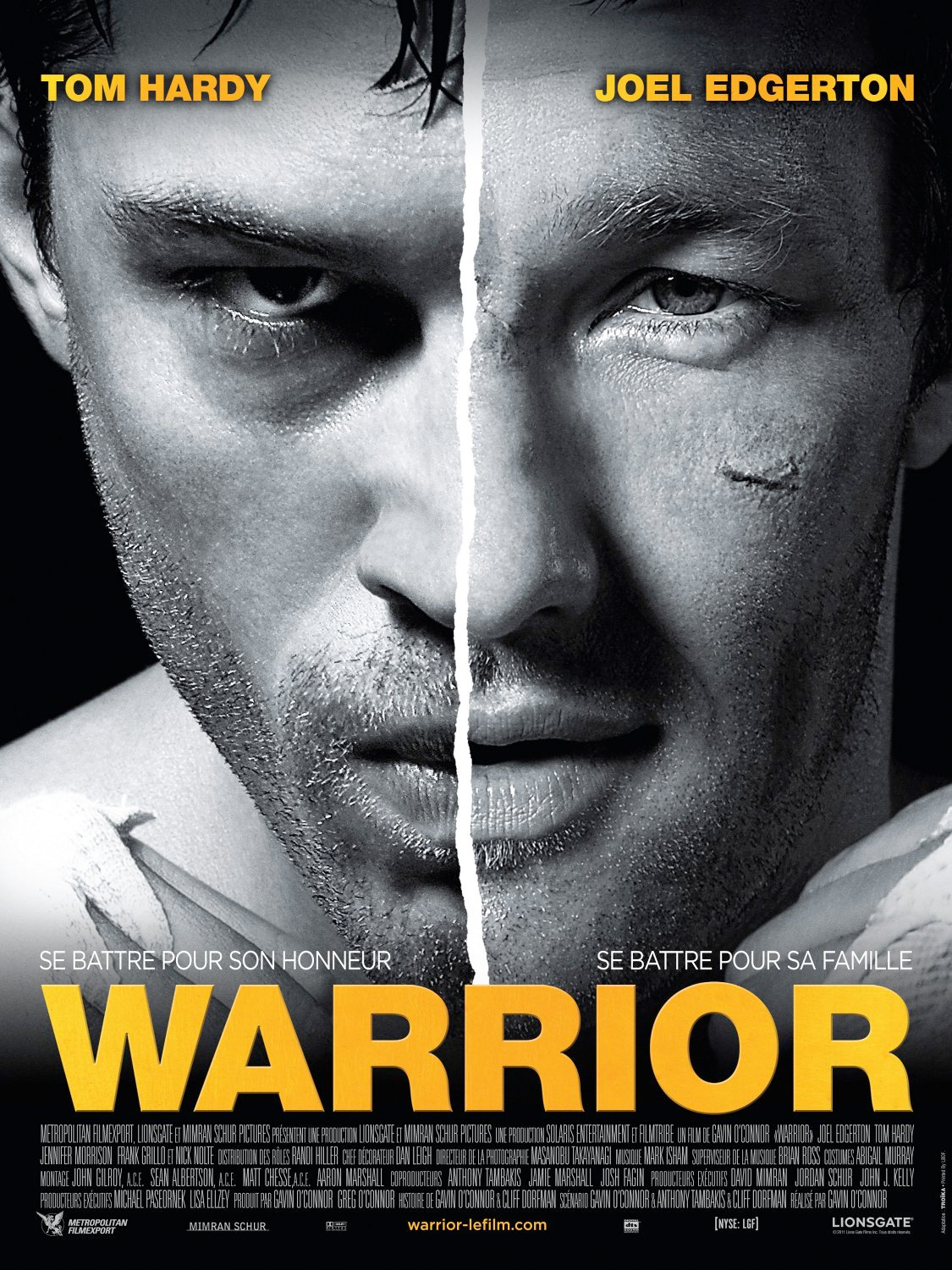
Warrior (2011)

Brother versus brother is a storytelling device as old as the bible. It’s visceral, and offers a good majority of your audience something recognizable; any family with two boys has seen first hand the intensity of brotherly conflict, and the blind rage that only a family member can provoke. We are least capable of reason when faced with those we love. Warrior takes this simple truth and unrolls it, encompassing a battered and rusted family and an MMA tournament of champions. It illustrates the rugged barriers that inevitably rise when hard choices are mixed with stubborn, guarded men. And most remarkably, it pulls you headlong into a story as personal and emotional as you’ve ever experienced, breaking your heart and investing more of you than you had anticipated, or even felt prepared to give.

Continue reading

Contagion (2011)

I’ve never been particularly impressed with scary movies. Growing up, scary movies had so little to offer that I could connect with, outside of the standard suburban setting and a general fear of death. An omnipresent psychopath who can’t be killed doesn’t jive with my notions of reality, and incessant gore is more disturbing than scary. But Contagion, the latest product of Steven Soderbergh‘s telescopic curiosity, is truly frightening. It follows the path of a diabolical virus as scores of people die and the world’s population loses its collective mind. It illuminates with strict veracity the rapid downward spiral of panicked masses, and it does so in a world as close to ours as the big screen can accommodate.

Continue reading