
Author Archives: Peter Wertz

Moneyball (2011)

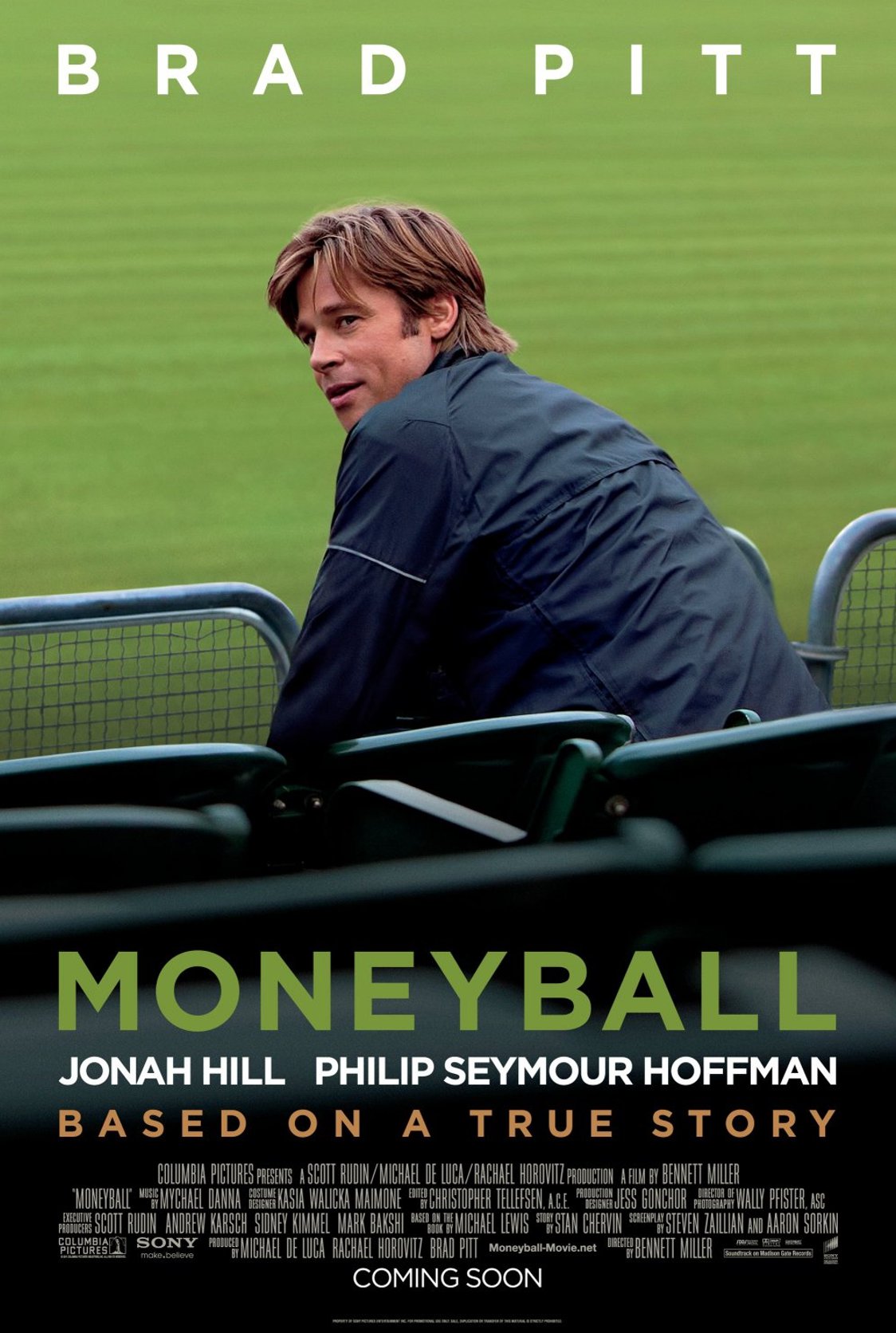
When the Miami Heat acquired Lebron James well over a year ago, it was the only thing the sports media could talk about. James, the best basketball player in the NBA, was joining a roster that already boasted Dwayne Wade, perhaps one of the top three players currently in the league, and had also pulled in Chris Bosh, another NBA superstar. Nothing like this had ever been seen in basketball, and within hours the conversation turned to Miami’s potential to go the NBA finals year after year after year. Sure enough, they ended up in the finals in their first season as a team…and lost. The reason I bring this up is because, looking at the cast, crew, and history of the film Moneyball, it’s hard not to see the all-star squad comparison. It’s got a supporting cast of legitimate talent, from Robin Wright to Jonah Hill to Philip Seymour Hoffman. The film’s director Bennett Miller is helming just his second feature, after his first (Capote) got him a Best Picture and Directing nomination. Then there’s Brad Pitt, the Lebron James of Hollywood. And much like the Miami Heat, the group that came together to make Moneyball, though objectively successful, end up feeling, frankly, a bit lackluster.
Continue reading

Drive (2011)

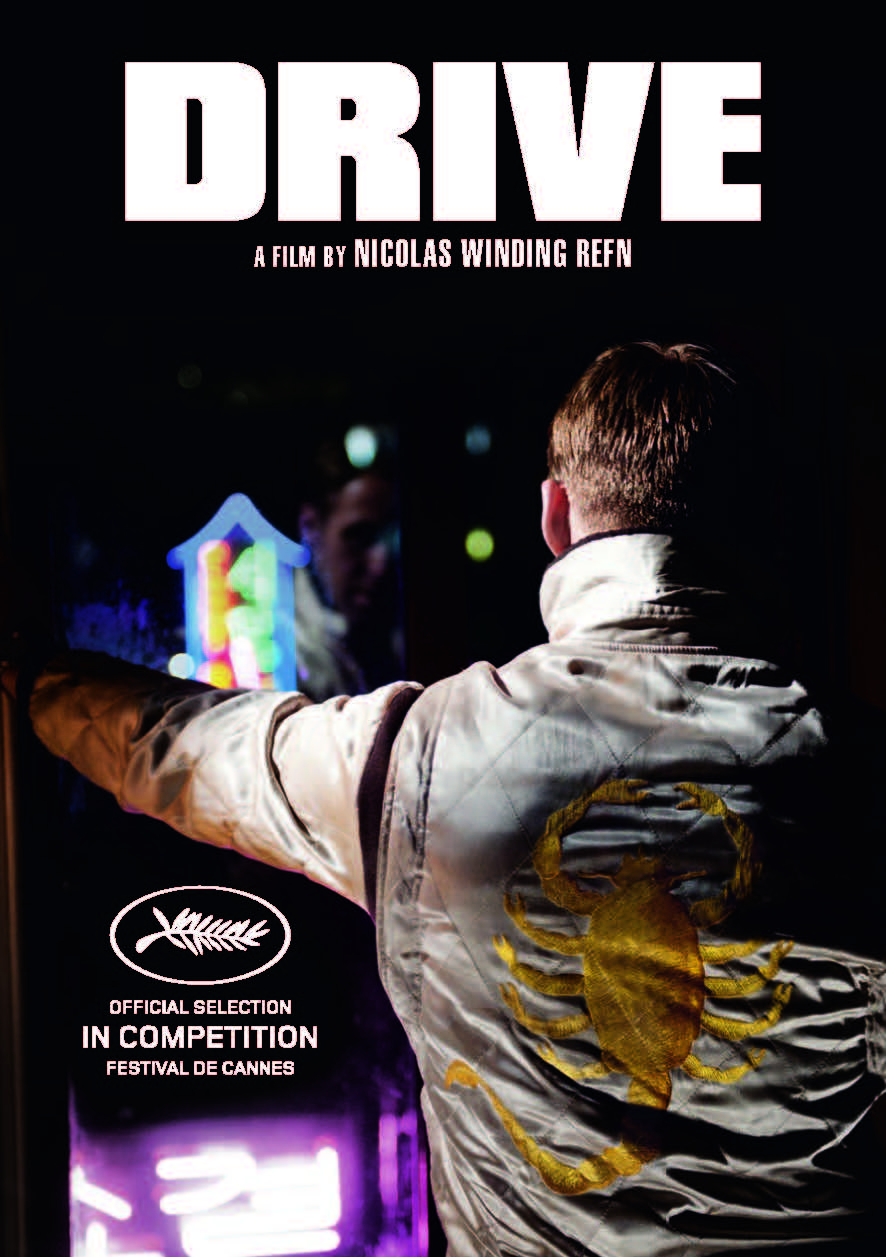
There’s nothing subtle about Drive, though for followers of Director Nicolas Winding Refn‘s career to this point, subtlety is about the last thing you’d expect to find. Refn is a filmmaker fascinated by intensity, eager to push the limits of graphic violence. Drive is no exception, though in the end it is not the film’s brutality that defines it. Refn’s latest is dripping with style, from the slick opening credits to the closing synthed-out track. It is a film for a generation that often judges a product’s success as much on aesthetics as content, and though this may be one of the sexiest films released in the last decade, it can also be prohibitively aloof.

Continue reading

Warrior (2011)

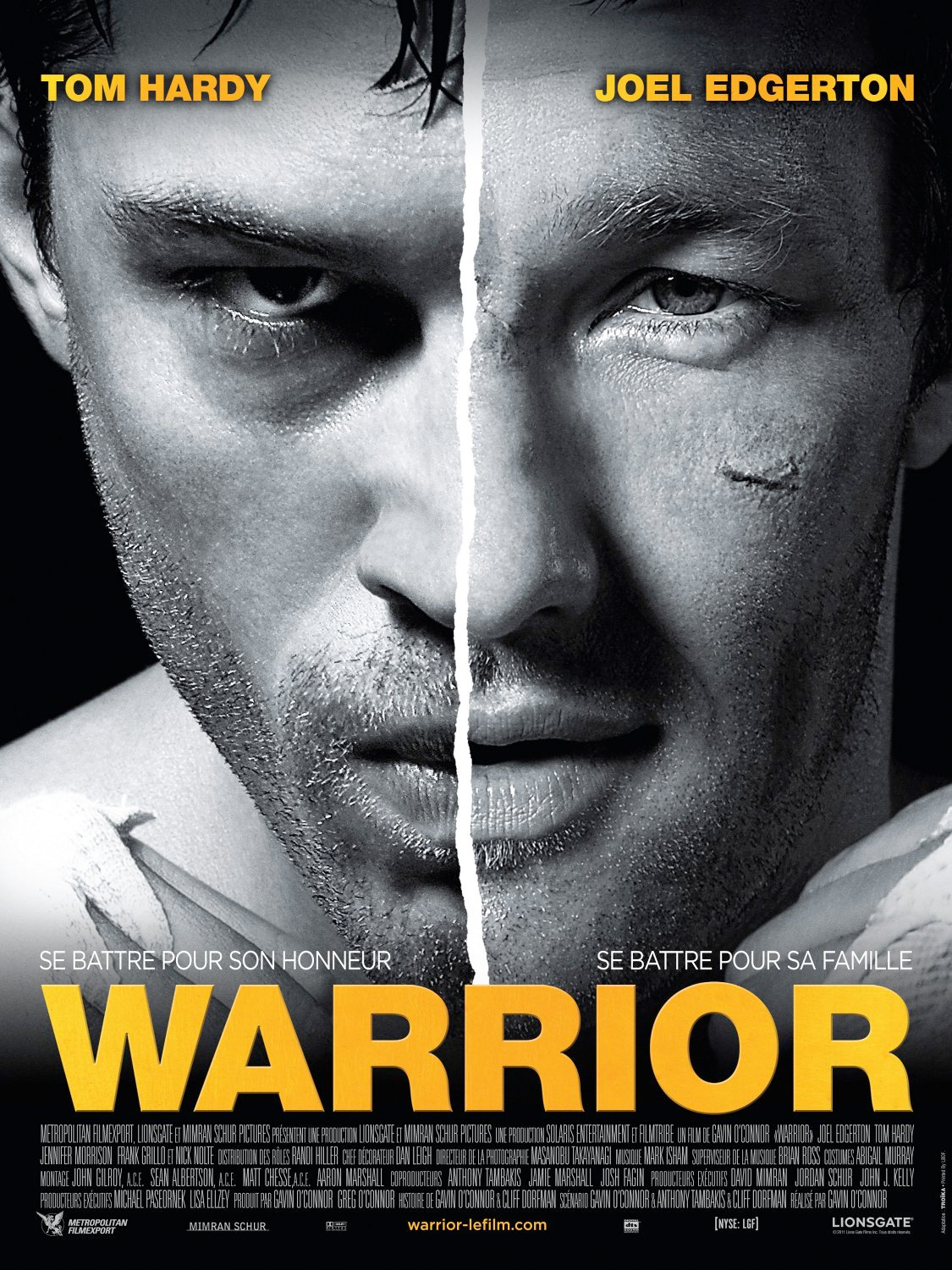
Brother versus brother is a storytelling device as old as the bible. It’s visceral, and offers a good majority of your audience something recognizable; any family with two boys has seen first hand the intensity of brotherly conflict, and the blind rage that only a family member can provoke. We are least capable of reason when faced with those we love. Warrior takes this simple truth and unrolls it, encompassing a battered and rusted family and an MMA tournament of champions. It illustrates the rugged barriers that inevitably rise when hard choices are mixed with stubborn, guarded men. And most remarkably, it pulls you headlong into a story as personal and emotional as you’ve ever experienced, breaking your heart and investing more of you than you had anticipated, or even felt prepared to give.

Continue reading

Contagion (2011)

I’ve never been particularly impressed with scary movies. Growing up, scary movies had so little to offer that I could connect with, outside of the standard suburban setting and a general fear of death. An omnipresent psychopath who can’t be killed doesn’t jive with my notions of reality, and incessant gore is more disturbing than scary. But Contagion, the latest product of Steven Soderbergh‘s telescopic curiosity, is truly frightening. It follows the path of a diabolical virus as scores of people die and the world’s population loses its collective mind. It illuminates with strict veracity the rapid downward spiral of panicked masses, and it does so in a world as close to ours as the big screen can accommodate.

Continue reading

Boogie Nights (1997)

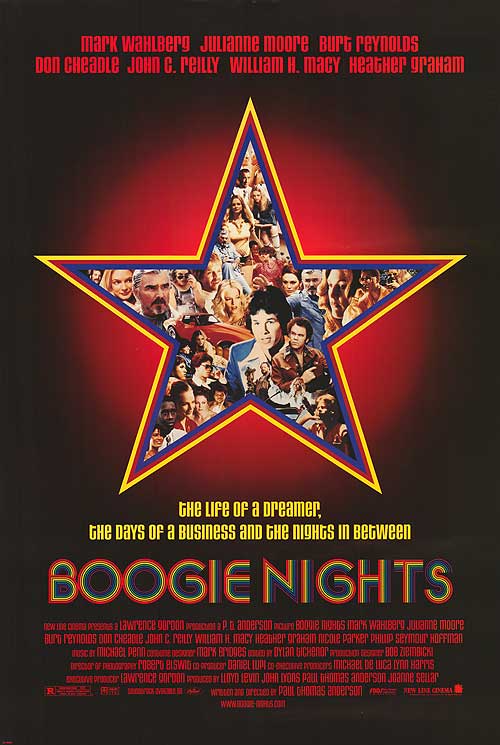
For my part, Paul Thomas Anderson is the most exciting director working today. I’ll even go so far as to say that he could end up one of the best directors of all time. Now you and I both know how absurd it is to make this claim about any director, and that it’s nothing more than an opinion. Still, it gives a pretty clear indication of my feelings on the man and his work. In fifteen years, P.T. has directed five features; one a solid genre flick which nobody has seen, another holds the clear frontrunner for Adam Sandler’s best performance of all time, and the other three are Oscar nominees, the last of which won two, despite losing Best Picture. It’s hard to appreciate this sort of success while still in the heart of a man’s career, but assuming the trajectory holds we’ll all surely be talking about it years from now. Anderson may fly a bit under the radar of the standard film goer; he doesn’t have the recognizable aesthetic of a Wes Anderson, or the Tarantino excess of personality. But there’s no denying that these are his contemporaries, and making a case for P.T. as the best of the bunch isn’t terribly difficult. That case would surely begin with an examination of Boogie Nights, Anderson’s dark and hilarious pornographic melodrama. In the shadow of his later, better films, Boogie Nights is only slightly less fantastic, less impressive, less finished. Nonetheless, it is an alarmingly great flick from a sophomore director, and properly kicks off the career of our generation’s Martin Scorcese.

Continue reading

Harry Potter and the Deathly Hallows: Part Two (2011)

There’s a tendency to think of film as a superior medium or art form to television. To think of it as (mostly) having more integrity. While this may be true to an extent, one arena where film simply can’t compete is in subtle, measured character development. TV shows like Six Feet Under or Breaking Bad utilize their serial nature to not only develop characters within episodes, but across immense, series-long journeys. Film rarely has the ability or opportunity to challenge TV in this regard, which is what (among many, many other things) makes the Harry Potter franchise so unique. While the films have created a truly remarkable reality from the internationally-celebrated source material, it is our personal investment in the journey that matters most. Watching these characters grow together, learn, experience hardship and be heroic is a nearly unparalleled experience, and in the latest and last, Harry Potter and the Deathly Hallows: Part Two, that experience closes in an at once immensely satisfying and desperately harrowing finale.

Continue reading

Bullitt (1968)

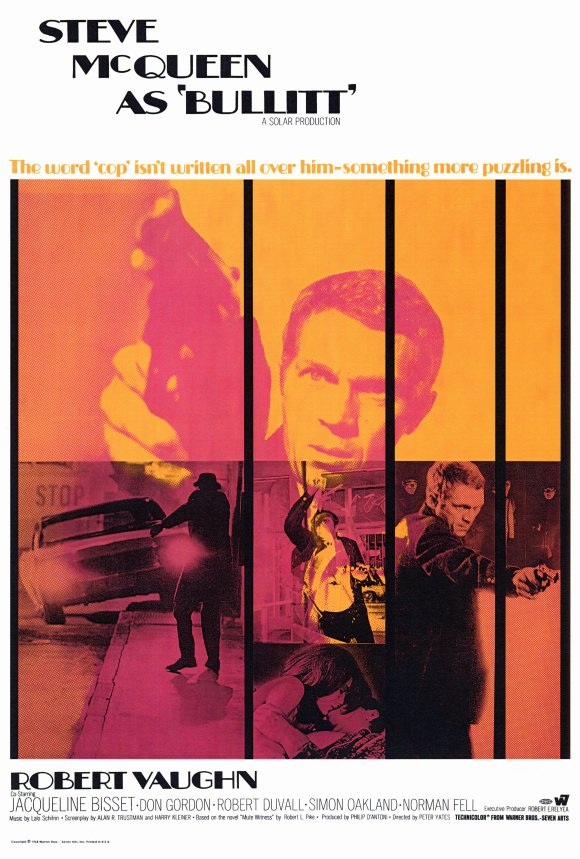
Though quantifying “cool” is and will always be more guesswork than anything, we seem to nonetheless know it when we see it. Certainly people knew it’s presence in Steve McQueen, the penultimate “cool guy” of the late 60s/early 70s. McQueen was nonchalant and effortlessly charming both in his films and real life, and with his affinity for cars and bikes, became the figurehead for celebrity leisure. Like James Dean before him, McQueen seemed to get by mostly on not giving a fuck, though McQueen’s mellow aloofness seems more natural than Dean’s cultivated independence. With Bullitt, McQueen and Director Peter Yates seem intent on bottling this charm and pouring it in large doses over the entirety of the film; a style that works pretty well, until you start worrying about those pesky little nuances like plot and character.

Continue reading

The Tree of Life (2011)

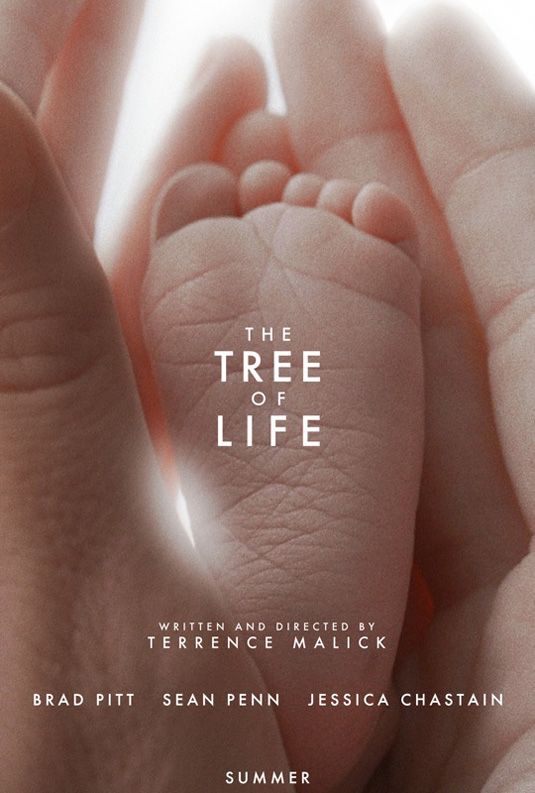
It seems as though only in failure is great ambition ever spoken of as a favorable trait. This isn’t surprising, as a successful project will always be discussed primarily for its success, and an acknowledgment of ambition can be a salve in defeat. But only in the rarest of cases is the architect of a project given credit for, not just the assembly of something great, but the scope and the presence of mind to approach something massive and significant. In film it’s men like Orson Welles, Stanley Kubrick, or even James Cameron; men whose work hinges on innovation and imagination. Terrence Malick is surely a member of this class. In the five films he’s made since 1973, he has consistently (if a bit sparsely) assembled staggeringly beautiful pictures, all with the earnest intention of showing us something true and universal. With The Tree of Life, Malick has created a film that is ambitious and successful, visceral, draining, deeply consequential and lofty enough to be just a bit pretentious. This is the opposite of a director playing it safe. This is a swing for the fences, and a man trying his damnedest to illuminate the kind of mountainous existentialisms that humanity has been mulling for millenia.

Continue reading

Green Lantern (2011)

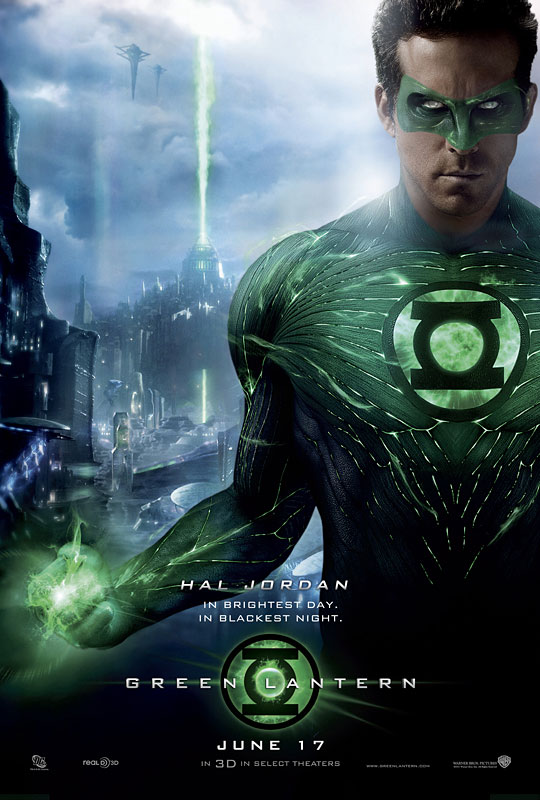
You know what the worst part about having to write this review is? It’s that I was fully prepared to enjoy Green Lantern, despite the problems I was certain would be present. Any reviewer who tells you they approach every movie in the same way is lying, and movies like this one-movies with the clear intention of selling popcorn and building franchises-don’t come with high expectations. Which is why about two minutes into the film I found myself, not just annoyed that I spent eleven bucks on a ticket to a crap movie, but incensed at the abysmal execution of this big, green mess. Nearly every last choice made in Green Lantern is a bad one, and even aside from the technical stumbling, the film just isn’t much fun. No, “Director” Martin Campbell has done nothing here worth any praise. Certainly the effects work is good, but I’m giving the computer geeks credit for that.

Continue reading

Super 8 (2011)

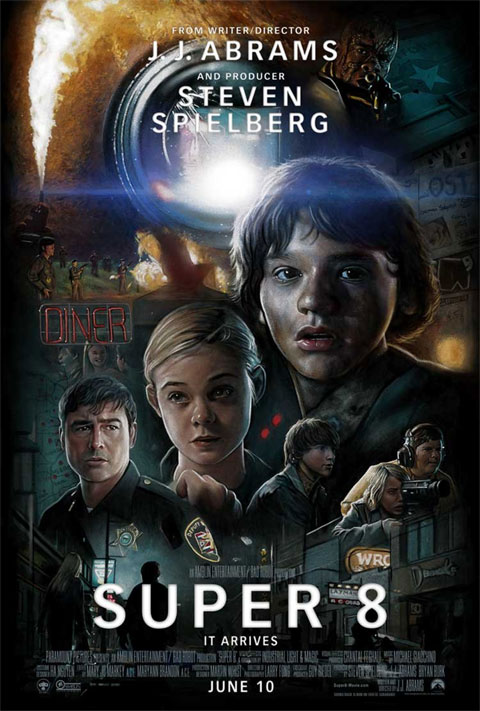
I generally try to avoid making comparisons of films, simply because they’re abundant and it’s easy. However, in the case of Super 8, the latest mysterious thrillfest from J.J. Abrams, I’m forced to make one. Put inelegantly, this is Abram’s version of E.T. You’ve got kids on bikes, kids saying “shit” a lot, a curiously acrimonious government group, and, as the fulcrum, an alien far from home. This is not a retelling or a reimagining, so much as it is an homage to one of the greats and one of his great films (It probably didn’t hurt to have the “great” in question on set as a producer). Abrams certainly departs from Steven Spielberg’s classic coming-of-age; his film is darker and nastier, not nearly so light on violence or familial tension. But there’s no getting around it: Super 8 is cut from the same cloth as Spielberg’s 1982 Oscar winner, and for many, will cement the connection between these two wildly successful film nerds.

Continue reading