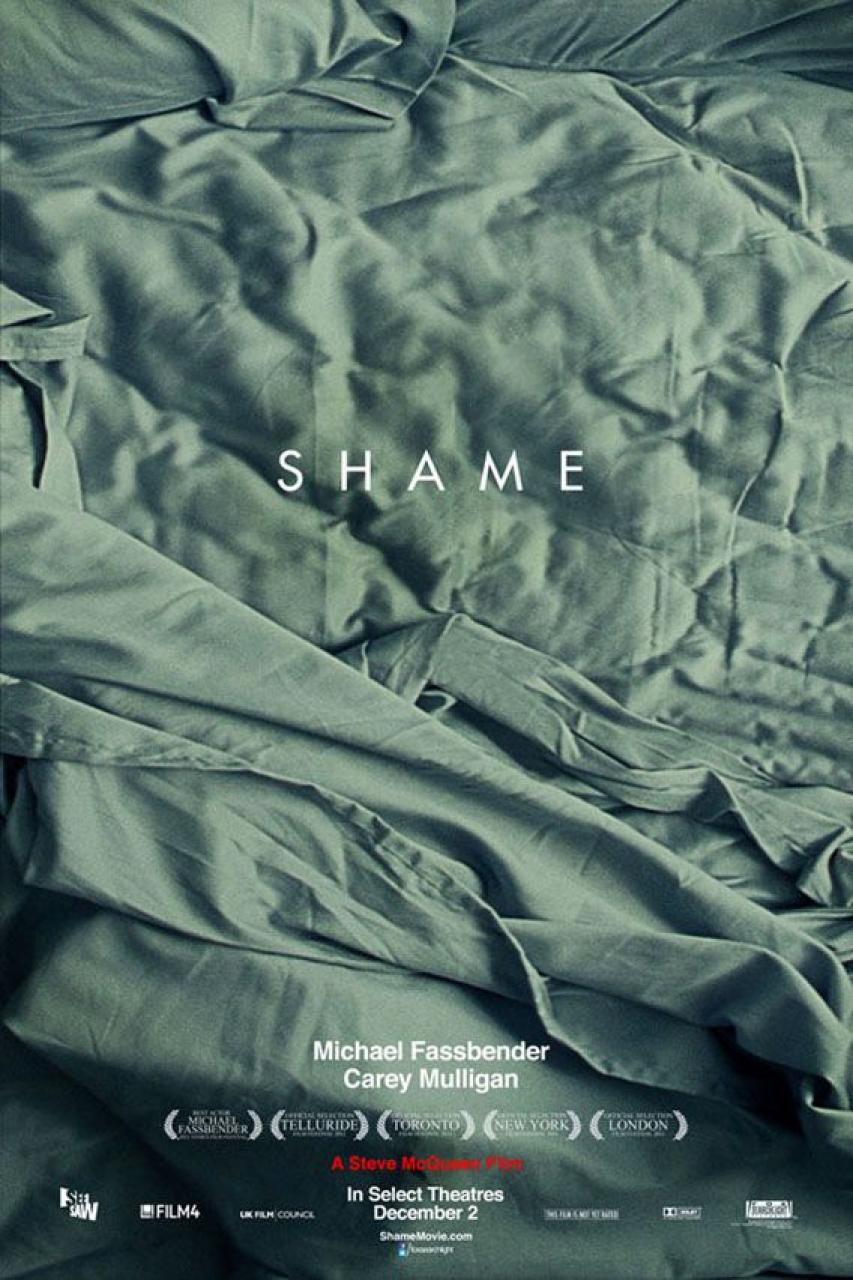
Shame (2011)

There’s a better version of Shame on the cutting room floor. Somewhere in the hours of unseen footage shot by Director Steve McQueen exists a film that lives up to the hype. A film less ambiguous, with a concrete arch, and character exchanges that don’t feel piecemeal. A film less dependent on intuition and more respectful of storytelling. A film not so thoroughly entrenched in a mood. And that would be a hell of a film to see, because Shame is built on some pretty powerful stuff as it is. The performance of Michael Fassbender will certainly get everyone talking, and almost as certainly garner a nomination. And there are things McQueen does as a director that prove he deserves the job. But the unfortunate reality is that Shame is only some of what it should have been, and simply not as good as it could have been.

Continue reading

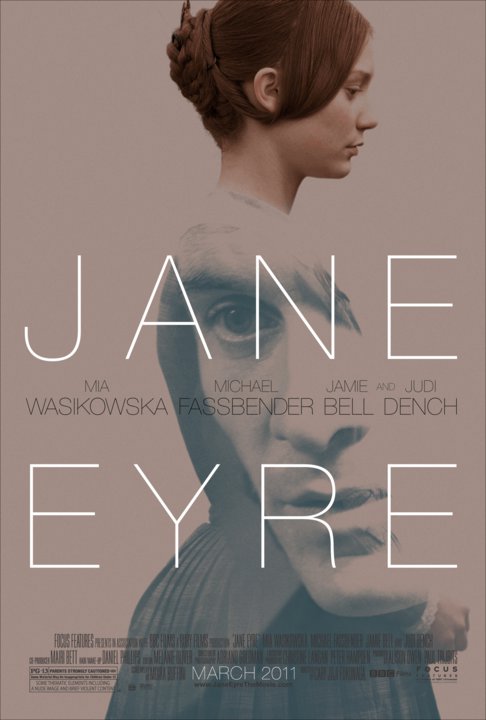
Jane Eyre (2011)

60 Second Reviews

2011 is unarguably the year of Michael Fassbender. Magneto in X-Men: First Class, Carl Jung in A Dangerous Method, a sex addict in Shame, and here, the moody, haunted Fairfax Rochester in Jane Eyre. Having seen two of his four performances, it’s assured that Fassbender will be around for the long haul. As Rochester, he is in flux; a vacillating romantic unable to have the thing most important to him.

The story of Jane Eyre is familiar to anyone who took high school English: a young woman (Mia Wasikowska) with a bleak past is hired as a governess to the ward of Mr. Fairfax Rochester (Fassbender), a man twice her age. Though she is well beneath his class, the two share an undeniable connection. But Mr. Rochester harbors a secret which keeps the young woman at arm’s length, and eventually drives her away. In this gothic romance, Director Cary Fukunaga has raised the stakes, creating an environment so bleak, love seems to be the only path to unqualified contentment.
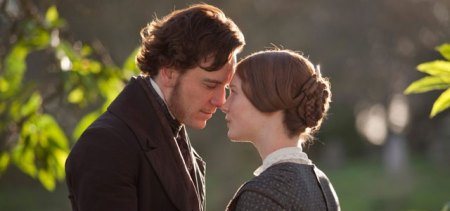
There are essentially three elements that matter in this iteration of Jane Eyre: the performance of Fassbender, the performance of Wasikowska, and the atmosphere created by Fukunaga. The two leads spend much of the film sizing each other up, their ornamental dialogue a sort of sparring. These scene towards the beginning of their relationship are arresting, if for no other reason than Fassbender and Wasikowska have a true chemistry. The brooding Rochester is intimidating, but also apparently a bleeding heart. And Jane Eyre has an elegant toughness that evolves the novel’s proto-feminism for a more contemporary time. Her quick tongue offers up some of the best lines in the film, and Rochester is never shy with an equally clever rebuttal. Fukunaga’s setting meanwhile is mostly bleak and tawny; a style that compliments the story and characters profoundly. This world is dark, and one must find their joys wherever they can. Jane Eyre and Mr. Rochester are characters who understand this completely, and their love for one another is sustained by a desperation that sits at the heart of this timeworn romance.

Jane Eyre is an effective and affecting love story that utilizes two of the most talented performers working right now, and reminds its viewers of a time when the problems of love were greater, and love was stronger for it.

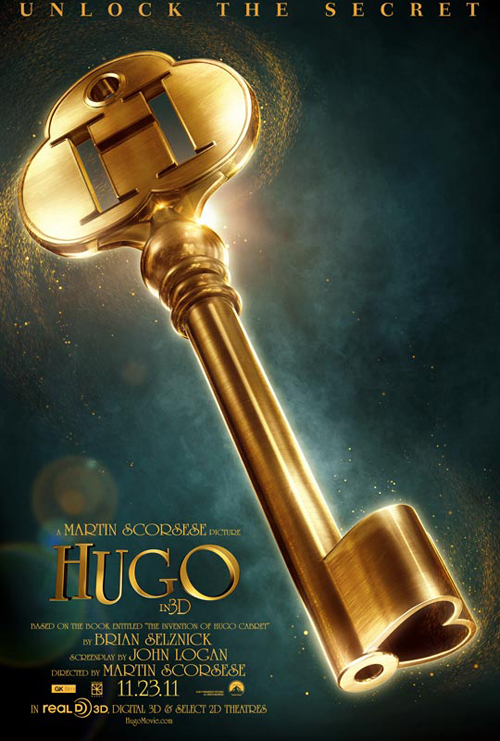
Hugo (2011)

This might be an adventure!” exclaims Chloë Moretz’s earnest Isabelle, shortly after meeting the titular Hugo in Martin Scorsese’s latest. And it’s true, Hugo certainly holds an adventure for its two lead characters. But that moment holds a deeper truth: the awareness that, for children, the world is still a magical place, capable of anything. There’s a kinetic excitement to being young and away from your parents, because possibility has an unknowable depth, and you haven’t yet been infected by the rot of cynicism. Scorsese, like many directors before him, plainly adores this moment in time, because for him it is connected unequivocally with the magic of the cinema.

Continue reading

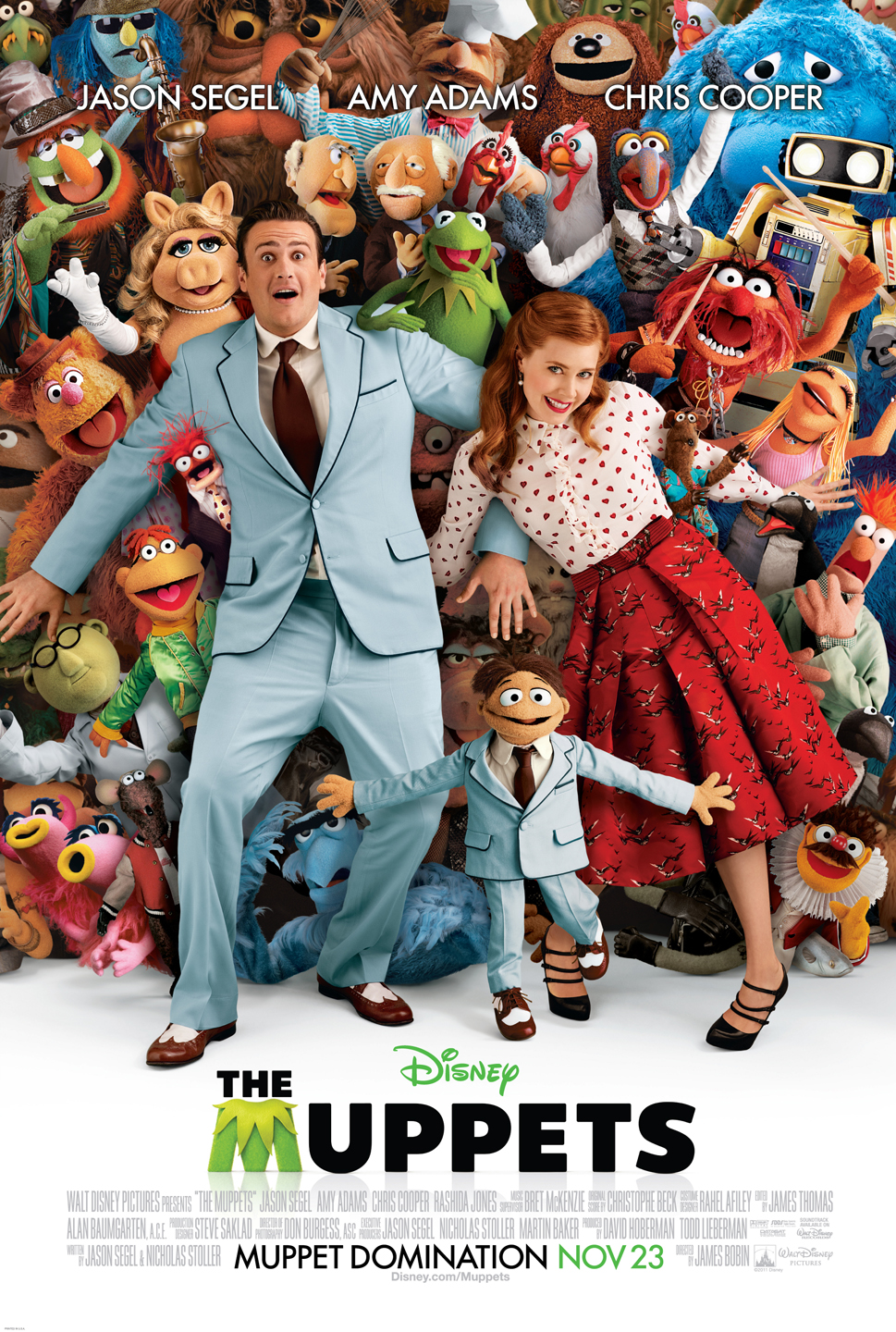
The Muppets (2011)

When Toy Story came out in 1995, it shocked people. Pixar’s style was entirely unprecedented, and understandably became the chief talking point, but no one could deny the quality of writing and storytelling behind the flagship film. At its heart, Toy Story is a film about nostalgia and childhood, a musing younger generations seem more and more intent on indulging. The Muppets isn’t as tied up in the more general existentialisms of growing up as Pixar’s debut, as it is so obsessed with the Muppet canon, but it is nonetheless the best film about nostalgia since Toy Story. Writer and Star Jason Segel hasn’t made a movie so much about how wonderful the Muppets are, as a film about how wonderful the Muppets are to him, and by proxy, his audience. And this is not a minor distinction. Making a film from the heart and not the head, at least in this case, makes all the difference in the world.

Continue reading

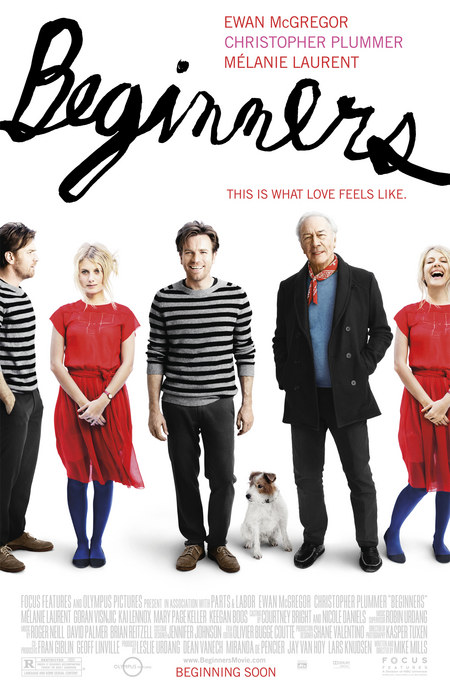
Beginners (2011)


Beginners is a film full of concise existentialisms; beautifully bite-sized sentiments like, “You make me laugh, but it’s not funny.” Writer/Director Mike Mills clearly prefers to keep his axioms digestible, which is good, because there’s no shortage of them to digest. Mills’ second feature takes place in the moment of a man’s life when all he can consider is the universe at large, its flux, its effect, where he fits, and why love is the undisputed destination. In a way, these movies are always going to be the most interesting, because (if done correctly) they offer a ubiquitous perspective of humanity. However you dress it, love is what we all need to feel actualized, and Beginners serves as a beautiful reminder.

Continue reading

The Descendants (2011)

In the film’s opening narration, Matt King (George Clooney) bemoans the view taken by most “mainlanders,” that to live in Hawaii is to spend your days drinking Mai Tais and waxing a surfboard, free from the troubles of the world. According to Matt this is absurd, as pain follows us wherever we are. Beautiful Hawaii may be, but it is not a vacuum or a charmed oasis. And yet, much of The Descendants is devoted to the astonishing splendor of the Hawaiian countryside; a choice wholly at odds with the protagonist’s initial frustration. This is an apt disconnect when considering the similar disparity between the film’s subject matter and its tone. Though Alexander Payne’s latest journey film is devoted to an exploration of grief’s gauntlet, it seems to spend just as much time trying to charm us. A choice that, ultimately, hurts more than it helps.

Continue reading

Take Shelter (2011)

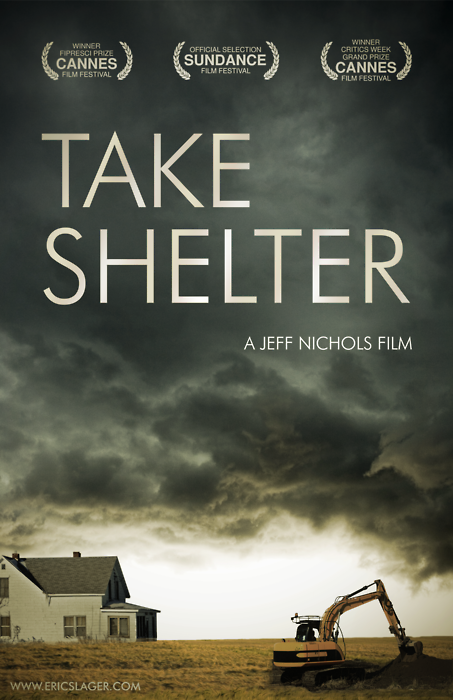
It’s not like Michael Shannon isn’t a working actor. He has four films out in 2011, along with his recurring role on Boardwalk Empire. His is a face people recognize, if for no other reason than it’s distinctiveness. But ask someone for their favorite Michael Shannon role, and they won’t have an answer for you. Which is a shame, because Michael Shannon is one of the most exciting actors working today. He is a peerless character actor, as capable as Philip Seymour Hoffman at manipulating his person into intensely varied roles. And in Take Shelter, one of the ultra rare leads offered to the actor, he gives perhaps the best performance I’ve seen this year. Shannon is mostly reserved in his performance, his brow perpetually knit with anxiety, his head down and feet shuffling. But in the moments when Writer/Director Jeff Nichols looses the reins, the actor reveals an understanding of character and performance that seems rarer and rarer in a world often unable to separate “good acting” from “good looking.” Put another way: Shannon has earned a Best Actor Nomination, and probably won’t get one.

Continue reading

Martha Marcy May Marlene (2011)

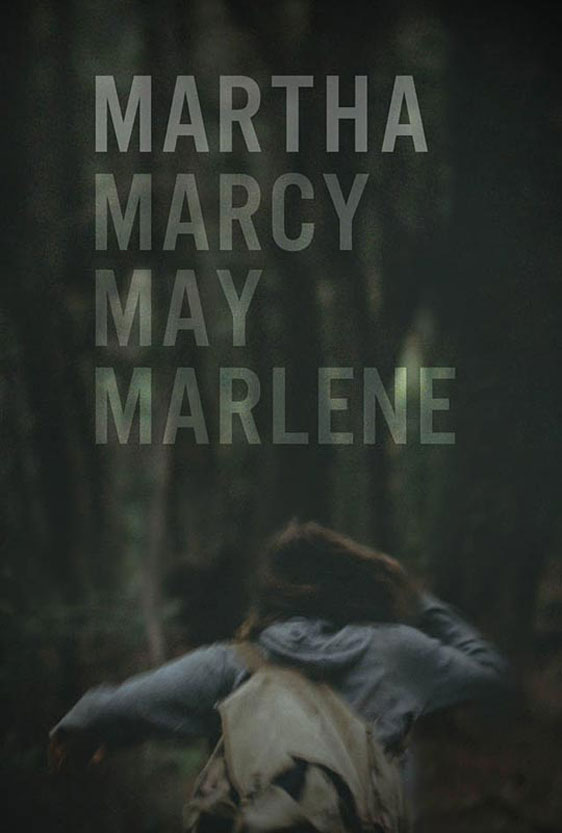
Security of self is an easy thing to take for granted. The sense that despite what may happen outside of you, you know who you are and you know that it is your life you’re living. For those of us who have dealt with depression or anxiety, or experienced the trauma of a panic attack or a nervous breakdown, there’s a stronger sense of how important, and how fleeting that security can be. In a way, it’s everything you have, because it’s one of the only things that can’t be disconnected from who you are. Or I suppose, it is who you are, and that is a terrible thing to lose. An insight deftly examined by Writer/Director Sean Durkin in Martha Marcy May Marlene.

Continue reading

The Ides of March (2011)

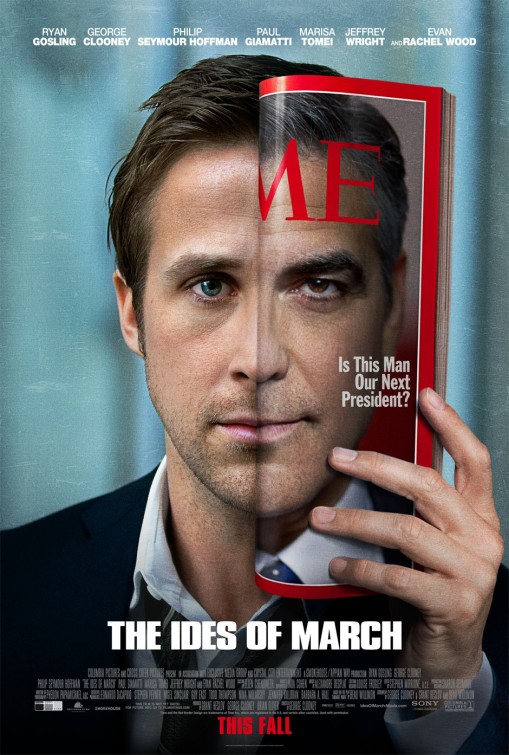
Maybe cynicism comes with age. As the world reveals its endless potential for deception and betrayal, it becomes harder and harder to maintain idealism. This must be true with regard to political cynicism or apathy, as the perpetual cycle of that world is masterful deceit and earth-shattering revelation, and anyone paying even the slightest bit of attention seems to understand that politicians simply cannot be trusted. Running for political office means maintaining a pretense of white teeth and talking points; ostensibly being whatever voters want you to be. Unfortunately, this facade is easily shattered and nearly impossible to regain, an idea taken to its deepest depths in George Clooney’s latest direction, The Ides of March.

Continue reading

50/50 (2011)

Cancer isn’t funny. It may, in fact, be the least funny topic one can broach. Yet somehow, behind-the-scenes guy and screenwriter Will Reiser has found a way to tell a story about cancer that produces more than a few laughs. It certainly helps that the story is Reiser’s own (with a few changes); the writer was diagnosed with a rare form of cancer at 24. Though we’re quick to outrage when someone mocks the sick or oppressed, we’re happy to join in when the sick and oppressed mock themselves. And nobody can deny that laughter is an ice pick for fear. Any way you look at it, Reiser and Director Jonathan Levine have broken a barrier once thought unbreakable and created 50/50, perhaps the world’s first successful cancer joke.

Continue reading