Category Archives: Oscar Nominee

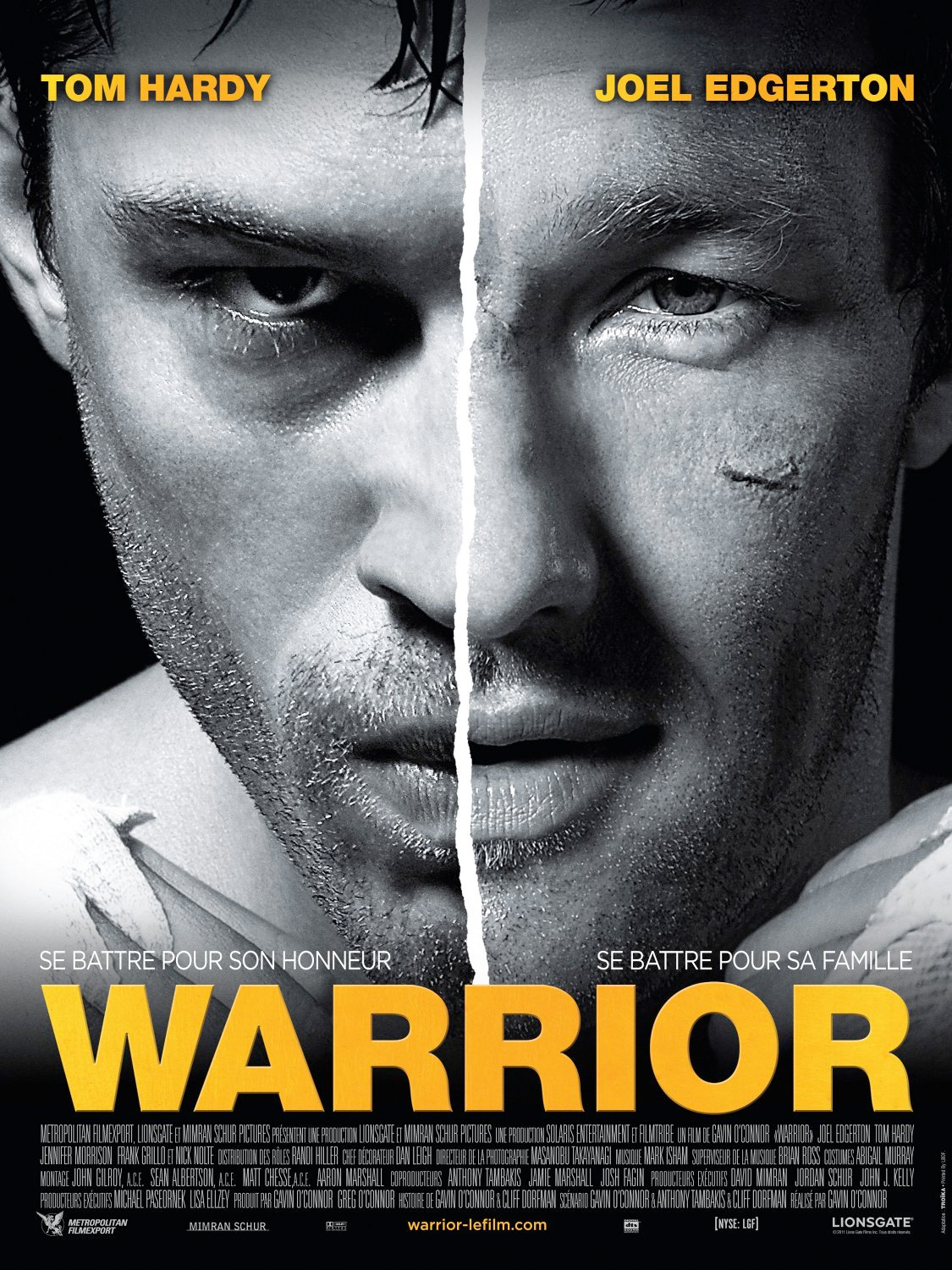
Warrior (2011)

Brother versus brother is a storytelling device as old as the bible. It’s visceral, and offers a good majority of your audience something recognizable; any family with two boys has seen first hand the intensity of brotherly conflict, and the blind rage that only a family member can provoke. We are least capable of reason when faced with those we love. Warrior takes this simple truth and unrolls it, encompassing a battered and rusted family and an MMA tournament of champions. It illustrates the rugged barriers that inevitably rise when hard choices are mixed with stubborn, guarded men. And most remarkably, it pulls you headlong into a story as personal and emotional as you’ve ever experienced, breaking your heart and investing more of you than you had anticipated, or even felt prepared to give.

Continue reading

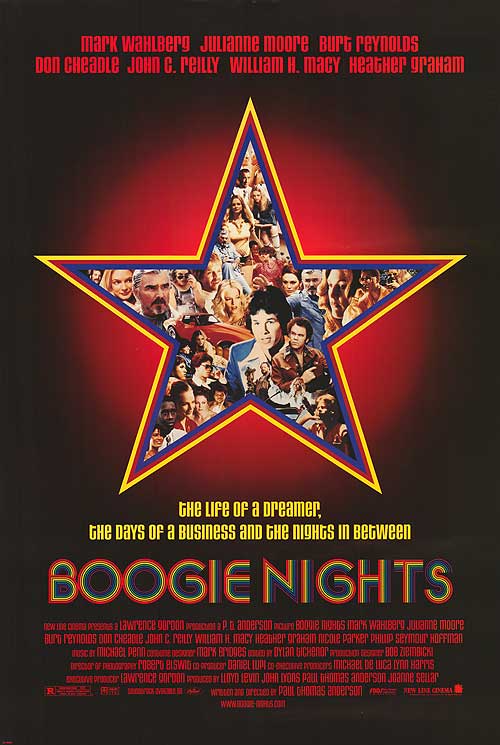
Boogie Nights (1997)

For my part, Paul Thomas Anderson is the most exciting director working today. I’ll even go so far as to say that he could end up one of the best directors of all time. Now you and I both know how absurd it is to make this claim about any director, and that it’s nothing more than an opinion. Still, it gives a pretty clear indication of my feelings on the man and his work. In fifteen years, P.T. has directed five features; one a solid genre flick which nobody has seen, another holds the clear frontrunner for Adam Sandler’s best performance of all time, and the other three are Oscar nominees, the last of which won two, despite losing Best Picture. It’s hard to appreciate this sort of success while still in the heart of a man’s career, but assuming the trajectory holds we’ll all surely be talking about it years from now. Anderson may fly a bit under the radar of the standard film goer; he doesn’t have the recognizable aesthetic of a Wes Anderson, or the Tarantino excess of personality. But there’s no denying that these are his contemporaries, and making a case for P.T. as the best of the bunch isn’t terribly difficult. That case would surely begin with an examination of Boogie Nights, Anderson’s dark and hilarious pornographic melodrama. In the shadow of his later, better films, Boogie Nights is only slightly less fantastic, less impressive, less finished. Nonetheless, it is an alarmingly great flick from a sophomore director, and properly kicks off the career of our generation’s Martin Scorcese.

Continue reading

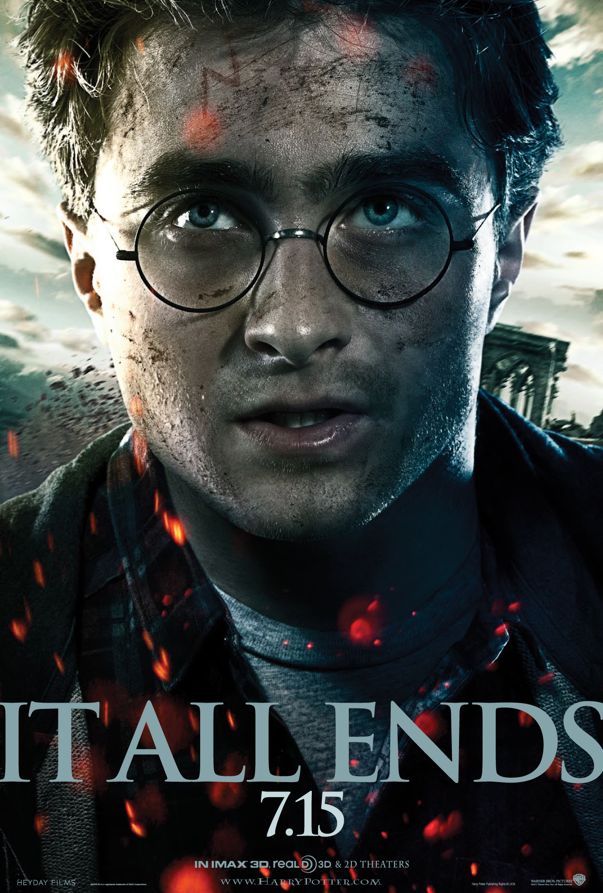
Harry Potter and the Deathly Hallows: Part Two (2011)

There’s a tendency to think of film as a superior medium or art form to television. To think of it as (mostly) having more integrity. While this may be true to an extent, one arena where film simply can’t compete is in subtle, measured character development. TV shows like Six Feet Under or Breaking Bad utilize their serial nature to not only develop characters within episodes, but across immense, series-long journeys. Film rarely has the ability or opportunity to challenge TV in this regard, which is what (among many, many other things) makes the Harry Potter franchise so unique. While the films have created a truly remarkable reality from the internationally-celebrated source material, it is our personal investment in the journey that matters most. Watching these characters grow together, learn, experience hardship and be heroic is a nearly unparalleled experience, and in the latest and last, Harry Potter and the Deathly Hallows: Part Two, that experience closes in an at once immensely satisfying and desperately harrowing finale.

Continue reading

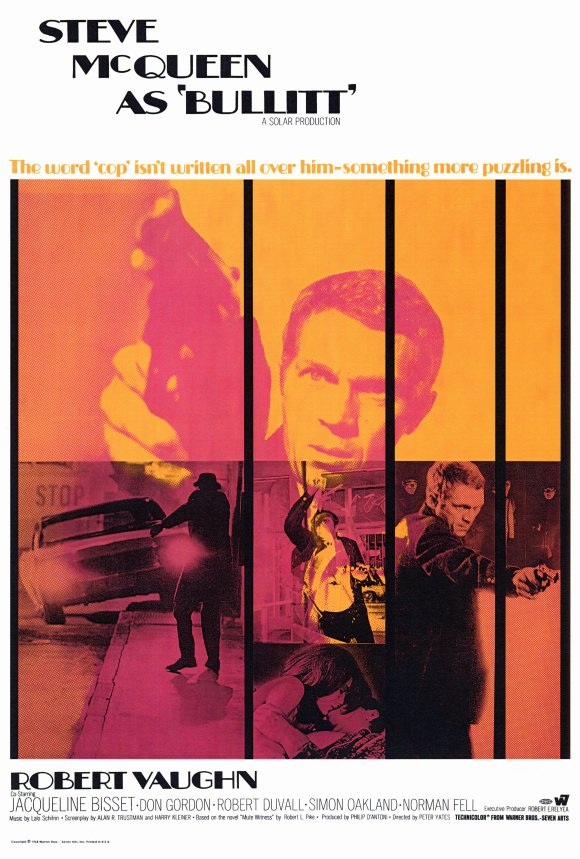
Bullitt (1968)

Though quantifying “cool” is and will always be more guesswork than anything, we seem to nonetheless know it when we see it. Certainly people knew it’s presence in Steve McQueen, the penultimate “cool guy” of the late 60s/early 70s. McQueen was nonchalant and effortlessly charming both in his films and real life, and with his affinity for cars and bikes, became the figurehead for celebrity leisure. Like James Dean before him, McQueen seemed to get by mostly on not giving a fuck, though McQueen’s mellow aloofness seems more natural than Dean’s cultivated independence. With Bullitt, McQueen and Director Peter Yates seem intent on bottling this charm and pouring it in large doses over the entirety of the film; a style that works pretty well, until you start worrying about those pesky little nuances like plot and character.

Continue reading

The Tree of Life (2011)

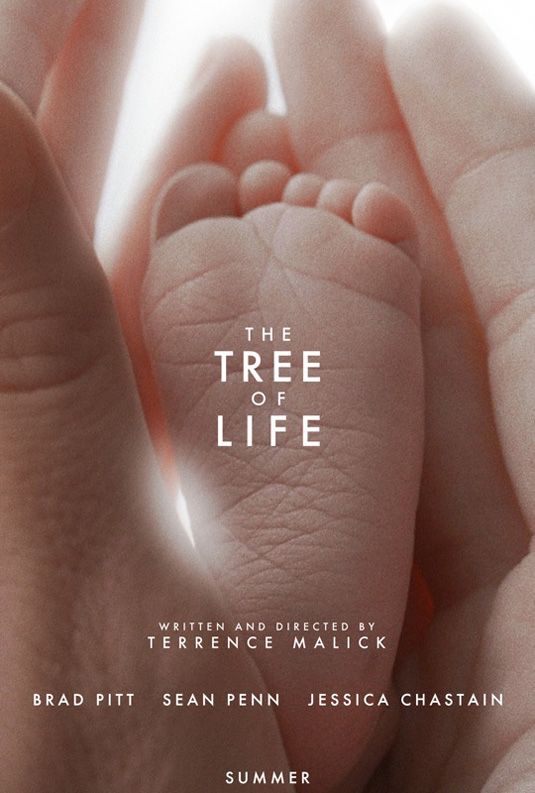
It seems as though only in failure is great ambition ever spoken of as a favorable trait. This isn’t surprising, as a successful project will always be discussed primarily for its success, and an acknowledgment of ambition can be a salve in defeat. But only in the rarest of cases is the architect of a project given credit for, not just the assembly of something great, but the scope and the presence of mind to approach something massive and significant. In film it’s men like Orson Welles, Stanley Kubrick, or even James Cameron; men whose work hinges on innovation and imagination. Terrence Malick is surely a member of this class. In the five films he’s made since 1973, he has consistently (if a bit sparsely) assembled staggeringly beautiful pictures, all with the earnest intention of showing us something true and universal. With The Tree of Life, Malick has created a film that is ambitious and successful, visceral, draining, deeply consequential and lofty enough to be just a bit pretentious. This is the opposite of a director playing it safe. This is a swing for the fences, and a man trying his damnedest to illuminate the kind of mountainous existentialisms that humanity has been mulling for millenia.

Continue reading

Taxi Driver (1976)

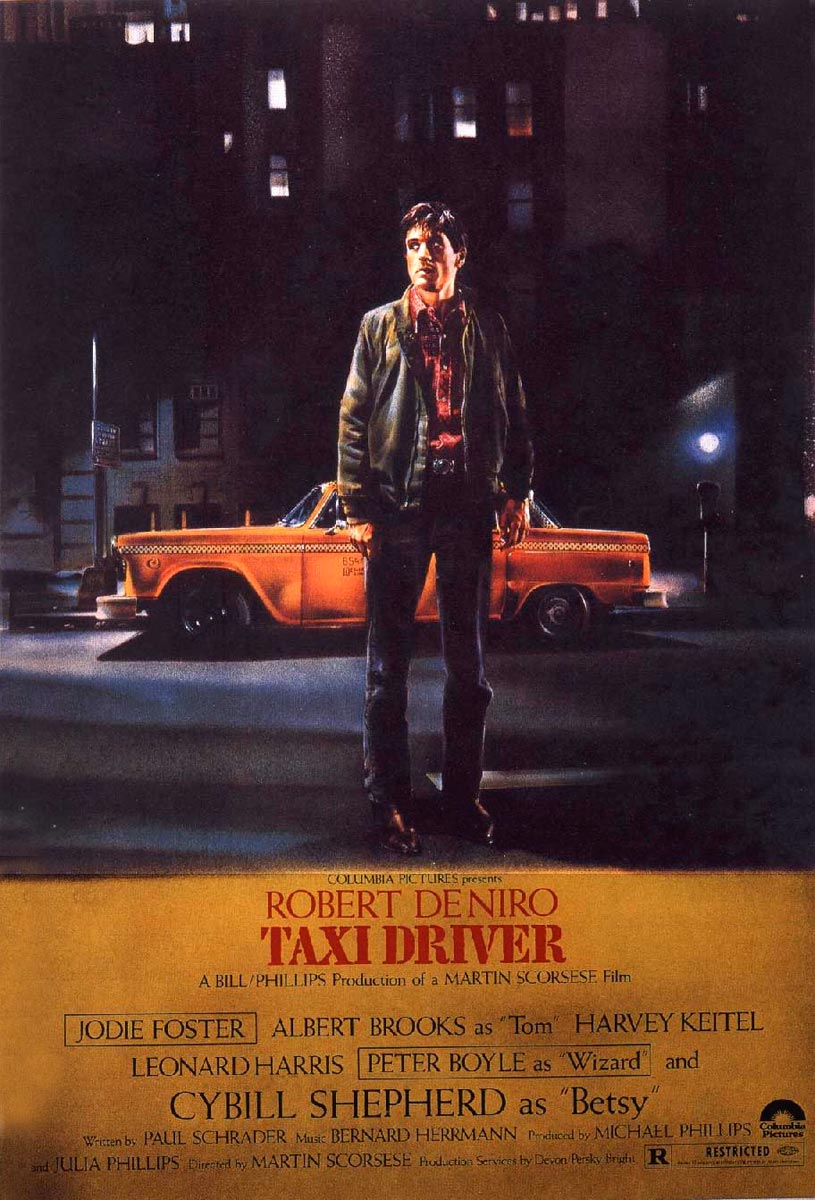
Martin Scorsese and Robert De Niro are New York City guys, through and through. Born there, raised there, and like a couple of Gangster Woody Allens, treating the city as their muse and making their best films there. It’s with this unyielding connection in mind that I found myself struck by Taxi Drivers portrayal of the Apple. New York City is a hellhole, covered in sweat and grime, its streets trafficked by hookers and killers. It is a truly miserable place. This could mean a number of things from the Director’s point of view: it could be the truth of the city’s underworld in the 1970’s, or just the way the city looks to Travis Bickle, or, most probably, it is simply the way Scorsese sees the world. Dark and dirty, with the occasional intimation that people aren’t entirely hopeless.

Continue reading

Eternal Sunshine of the Spotless Mind (2004)

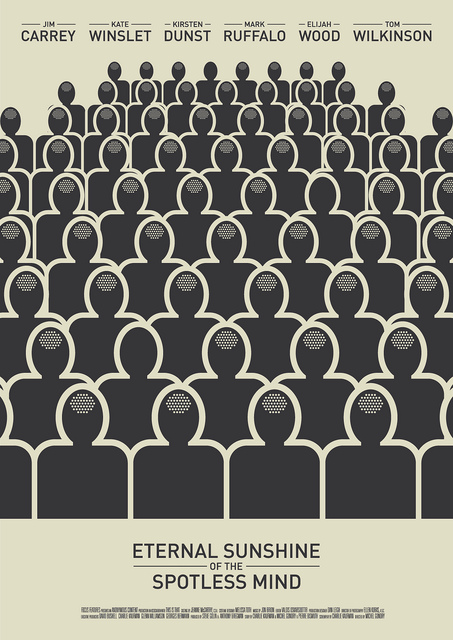
While good films are allowed a few missteps, truly great films are about the confluence of many great things. Great films are about the serendipity of timeless talent doing their best work together. If this can’t be said for Eternal Sunshine of the Spotless Mind, then it can’t be said for any film. As collaborations go, Sunshine sits in the stratosphere with films like Network or Star Wars; moments of such dramatic success that it seems impossible luck wasn’t somehow involved. It’s not precisely that the individuals involved with a movie like Eternal Sunshine will never again achieve a similar success, so much as they can forever after know that they achieved what they set out to do when they decided to make films: produce something timeless, and universal, and thoroughly, unequivocally great.

Continue reading

2001: A Space Odyssey (1968)

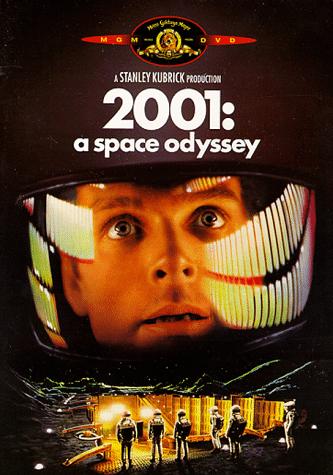
There are films that you watch and there are films that you experience, and in almost every case, a Stanley Kubrick film will fall into that second category. This becomes clearer when you tell somebody that you recently watched one of his films and they ask you what it was about. Try and answer. Sure, you can give a plot summary, but trying to articulate what the film was about is like trying to describe color to a blind person. There’s simply too much there. Never is this truer than in 2001: A Space Odyssey, Kubrick’s legendary masterpiece devoted to the majesty and mystery of our universe. Kubrick himself said in a 1968 interview, “You’re free to speculate as you wish about the philosophical and allegorical meaning of the film—and such speculation is one indication that it has succeeded in gripping the audience at a deep level—but I don’t want to spell out a verbal road map for 2001 that every viewer will feel obligated to pursue or else fear he’s missed the point.” His purpose was not to tell us what to feel, but simply to make us feel something immense. If, somehow, you come out on the other side of this remarkable piece of cinema without being moved, without feeling something, then friend, you’re doing it wrong.

Continue reading

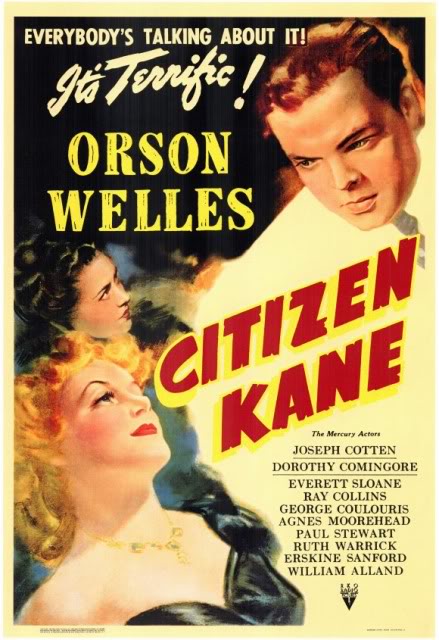
Citizen Kane (1941)

My latest viewing of Orson Welles‘ career-defining masterpiece was a palette cleanser, pulling me with great finality out of the quicksand of the 2011 Oscar race and refocusing my scope. Sometimes it takes a great film to do this, and through most of my career as a watcher I’ve used tent-pole titles to widen my perspective. This is a necessary joy at times, but Citizen Kane is, obviously, far more than just a refreshing film from another era. It is a complex portrait of one of this country’s most successful and monstrous businessmen, and the starting gun of a media war. It is the shining achievement of Welles’ career, as well as his undoing. It is considered by many to be the greatest film of all time.

Continue reading

The Town (2010)

60 Second Reviews

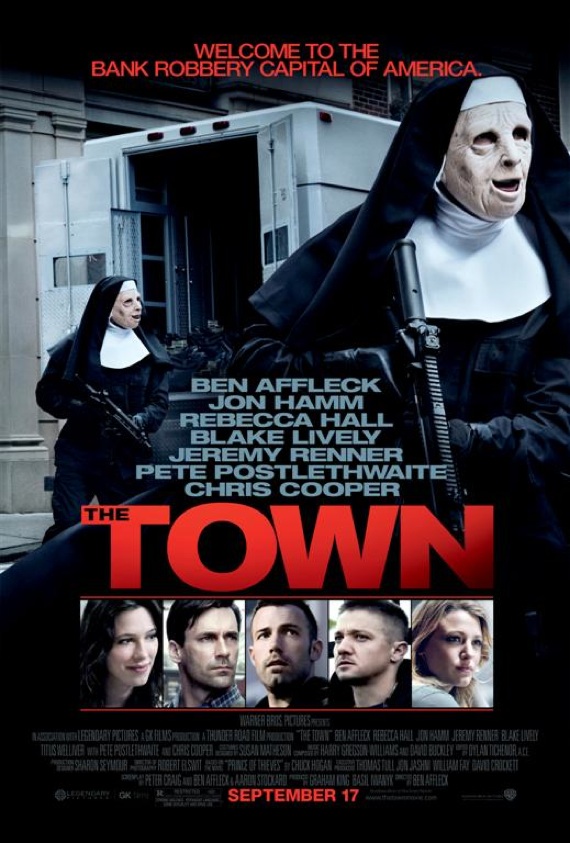
The night after my viewing of The Town, I had a dream that Jon Hamm was after me. It wasn’t a complex dream and I’ve mostly forgotten it, but I woke up feeling particularly tense. That dread feeling is what Ben Affleck‘s strongest film to date does so well; tension and anxiety and excitement, all are relevant adjectives for The Town, and all are present throughout. While Affleck may be a bit up-and-down as an actor, he seems to be finding a real niche as a director.

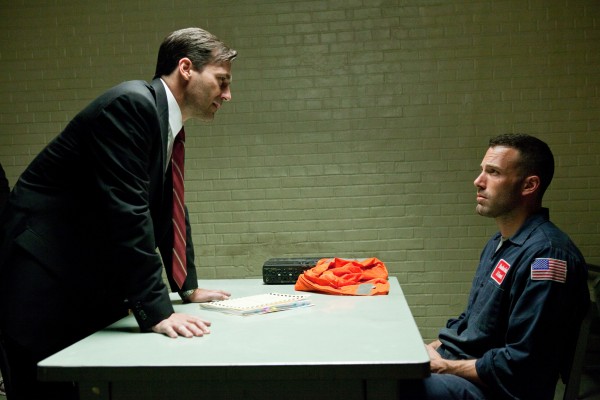
Ben Affleck is Doug MacRay, the leader of a professional foursome of thieves. Their heists are flawlessly executed, even on the occasion when MacRay’s partner James (Jeremy Renner) loses his head. In hot pursuit of Doug and his boys is Special Agent Adam Frawley (Hamm). Despite his better judgment, and a glimpse at a future with the charming Claire (Rebecca Hall), MacRay can’t get clear of the claws of local don The Florist (Pete Postlethwaite), or the depth of his Charlestown roots.

With his nomination, I assumed Jeremy Renner would be a scene-stealer, but the film’s biggest achievement is its ensemble. Renner is, as always, fabulous. He has a persistent restraint, a remarkable way of playing intense scenes at a slow-burn, and not just discharging his anger. Renner though, is hardly the key performance. Jon Hamm takes what could have been a rote “good guy” antagonist, and makes him a genuine villain. His Frawley is interested solely in bringing justice, and seems capable of literally anything to get at it. Meanwhile, plenty of smaller parts are delivered maximally. Blake Lively gets well outside of her comfort zone as a slutty addict; Postlethwaite is, as ever, a supreme talent and ominous creep; and Chris Cooper shows up for all of two minutes to steal a scene. As it turns out though, Affleck is perhaps the biggest surprise. Something about his performance here suggests he is finally coming into himself. A decade ago Affleck’s Doug MacRay would have been louder and sillier and more melodramatic, but here he is disciplined and subtle, and in complete ownership of one of his best roles.
After The Town, it’s clear that Ben Affleck is on the rise. Though perhaps a bit long in coming, maturity seems to have arrived in time to make him a genuinely exciting filmmaker.